UTI Treatment in Spain: How to Get Antibiotics (2026 Laws)
Can you buy antibiotics over the counter in Spain? Learn Spanish pharmacy laws, how to get UTI treatment as a tourist, and how to get a valid prescription.
Dr. Daniel Cuenca Leal
Colegiado nº 284627651 · Ilustre Colegio Oficial de Médicos de Madrid
Medically reviewed by Dr. Daniel Cuenca Leal · Updated June 21, 2026

How to Get UTI or Minor Infection Treatment in Spain: Antibiotic Laws Explained
If you are visiting Spain and suddenly experience the painful, burning symptoms of a urinary tract infection (UTI), a severe sore throat, or a stubborn sinus infection, your first instinct might be to head to the nearest farmacia (pharmacy). Many tourists assume they can simply buy a quick course of antibiotics over the counter, just as they might in certain other countries. However, you will quickly discover that Spain strictly prohibits the sale of any antibiotics without a valid medical prescription.
Can you buy antibiotics over the counter in Spain? No. Under Spanish pharmaceutical law, it is illegal for pharmacies to dispense antibiotics like amoxicillin, ciprofloxacin, or fosfomycin (Monurol) without a valid prescription from a licensed medical doctor. To get UTI treatment or antibiotics in Spain as a tourist, you must consult a doctor—either at a public health center, a private clinic, or via a telemedicine service—to receive a receta médica (prescription) before a pharmacy will release the medication.
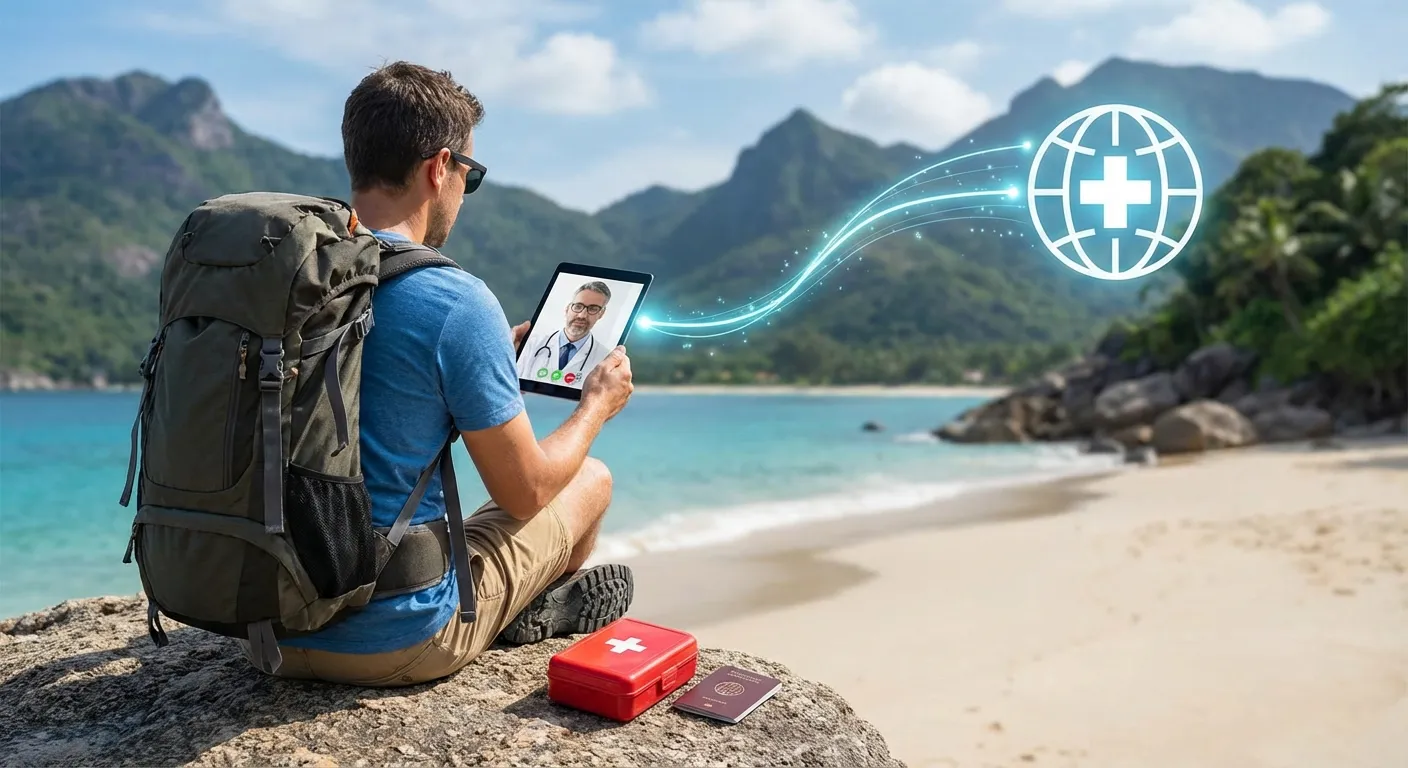
The fastest legal way to get antibiotics in Spain—especially for tourists and non-EU visitors—is an online consultation with a licensed physician. Through a telemedicine service like UrgentDoc, a Spanish-licensed, English-speaking doctor reviews your symptoms and, when antibiotics are medically appropriate, issues a valid private e-prescription through Spain's national REMPe system directly to your phone. You then show the QR code at any of Spain's 22,000+ pharmacies—no clinic visit, no waiting room, and no language barrier.
Understanding how to navigate the Spanish healthcare system can save you time, money, and unnecessary discomfort during your trip. In this comprehensive guide, we will explain the legal framework behind Spain's antibiotic restrictions, detail the common infections that require a doctor's visit, and outline exactly how tourists and expats can quickly obtain a legal prescription.
Important Medical Disclaimer: This article is for informational purposes only and does not replace professional medical advice. Always consult a licensed medical professional for a proper diagnosis before taking antibiotics. Never share prescription medication or take antibiotics prescribed for someone else.
Understanding Spain’s Antibiotic Laws: Why You Can’t Buy Them OTC
For decades, Spain had a reputation for somewhat relaxed pharmacy practices, where pharmacists would occasionally dispense antibiotics for minor ailments without a formal prescription. This changed dramatically with the strict enforcement of the Law on Guarantees and Rational Use of Medicines (Royal Legislative Decree 1/2015).
Today, Spanish pharmacies face severe financial penalties—fines that can reach up to €90,000—for dispensing antibiotics without a receta médica (medical prescription).
The Fight Against Antimicrobial Resistance (AMR)
The driving force behind this strict legal enforcement is the National Plan Against Antibiotic Resistance (PRAN), coordinated by the Spanish Agency of Medicines and Medical Devices (AEMPS) and aligned with the World Health Organization's global guidelines on antimicrobial resistance. You can learn more about Spain's specific initiatives on the official PRAN website.
Antimicrobial resistance occurs when bacteria evolve to survive the drugs designed to kill them. This is primarily caused by the overuse and misuse of antibiotics—such as taking them for viral infections (like the common cold) or failing to complete a prescribed course. By strictly controlling access to antibiotics, Spain aims to preserve the effectiveness of these crucial medications for future generations.
If you walk into a Spanish pharmacy and ask for UTI medication like Monurol (fosfomycin) without a prescription, the pharmacist will refuse and direct you to see a doctor. They are not being unhelpful; they are simply following the law.
Common Minor Infections That Require a Prescription in Spain
Many international visitors are caught off guard when they realize that medications they consider "standard" require a doctor's consultation in Spain. Here are the most common infections that will send you looking for a prescription.
Urinary Tract Infections (UTIs)
UTIs are incredibly common among travelers. Changes in diet, dehydration from the Spanish sun, increased sexual activity, or holding urine during long travel days can all trigger an infection. Symptoms typically include a strong, persistent urge to urinate, a burning sensation during urination, and cloudy or strong-smelling urine.
In Spain, the standard first-line treatments for uncomplicated UTIs are antibiotics like fosfomycin (commonly sold under the brand name Monurol) or nitrofurantoin. None of these can be purchased without a prescription.
If you are suffering from a UTI and need rapid relief, you do not have to wait hours in a clinic. You can request an online UTI treatment consultation to get evaluated by a doctor. If appropriate, they can issue a prescription for UTI medication directly to your smartphone.
Ear, Nose, and Throat Infections
Whether it is a severe sore throat (which could be bacterial strep throat), a painful sinus infection, or an ear infection (often contracted after swimming in the Mediterranean or hotel pools), you will need a medical evaluation.
A doctor must determine whether your infection is bacterial or viral. Antibiotics are completely ineffective against viruses like the common cold or the flu. If a doctor diagnoses a bacterial infection, they will prescribe the appropriate targeted antibiotic.
Eye Infections (Pink Eye / Conjunctivitis)
Bacterial conjunctivitis causes redness, itching, and a thick, yellowish discharge from the eye. To treat this, you need antibiotic eye drops or ointment. While a Spanish pharmacy can sell you saline solution or soothing, lubricating drops over the counter, the actual antibiotic drops require a doctor's prescription.
Skin Infections
Minor cuts, scrapes, or insect bites can sometimes become infected, leading to conditions like cellulitis or impetigo. Topical antibiotic creams (like those containing mupirocin or fusidic acid) and oral antibiotics for skin infections are strictly prescription-only in Spain.
How Tourists and Expats Can Get Antibiotics in Spain
If you suspect you have a bacterial infection and need antibiotics, you have three primary options for obtaining a legal prescription in Spain.
| Route | Typical wait | Cost | English-speaking | Prescription |
|---|---|---|---|---|
| Public Centro de Salud | Hours in a queue | Free with EHIC/GHIC | Often not | Paper / electronic |
| Private clinic | Same day, in person | €100–€200 + medication | Usually | Private e-prescription |
| Telemedicine (UrgentDoc) | Usually within hours, no travel | Low flat consultation fee + medication | Yes — licensed English-speaking physicians | REMPe e-prescription sent to your phone |
1. The Public System (Centro de Salud)
Spain has an excellent public healthcare system. If you are an EU citizen with a valid European Health Insurance Card (EHIC) or a UK citizen with a Global Health Insurance Card (GHIC), you are entitled to medically necessary state-provided healthcare.
- How it works: You must find the nearest public health clinic (Centro de Salud), present your passport and EHIC/GHIC, and wait to see a general practitioner.
- Pros: The consultation is generally free of charge.
- Cons: Public clinics are often overwhelmed, meaning you may face long wait times (sometimes hours) in a waiting room full of sick people. Additionally, many doctors and administrative staff in the public system do not speak English, which can make explaining your symptoms difficult.
2. Private Clinics and Hospitals
Spain has a vast network of private medical centers, particularly in tourist-heavy areas like the Costa del Sol, the Balearic Islands, and major cities like Madrid and Barcelona.
- How it works: You can walk in or book an appointment at a private clinic.
- Pros: Wait times are usually shorter than in the public system, and you are much more likely to find English-speaking medical staff.
- Cons: This is the most expensive option. A basic consultation for a minor infection can cost anywhere from €100 to €200, not including the cost of the medication itself. You will also need to travel to the clinic while feeling unwell.
3. Telemedicine (The Fastest Option for Tourists)
For minor, uncomplicated infections like a UTI or a sinus infection, telemedicine has become the preferred choice for international travelers.
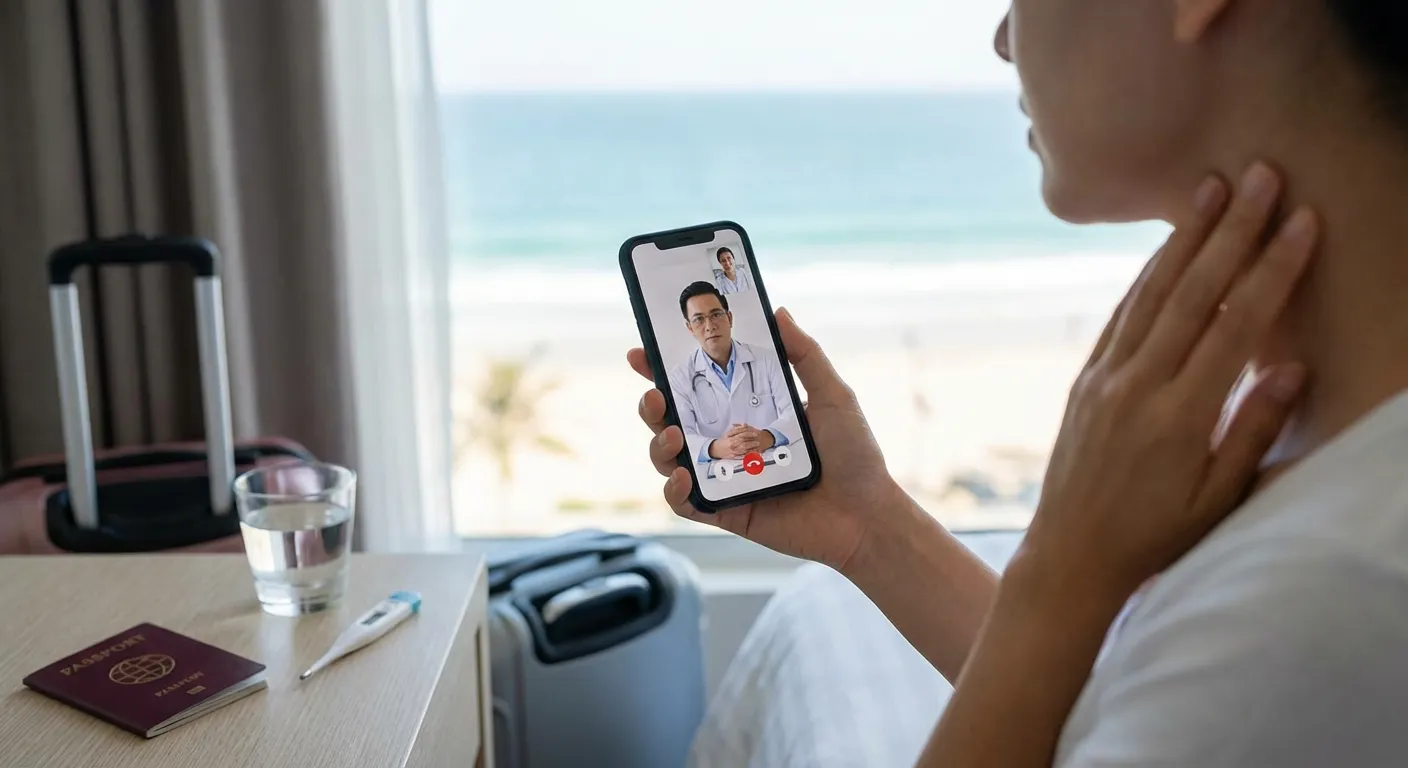
- How it works: Using a platform like UrgentDoc, you can consult with a licensed, English-speaking doctor from your hotel room or Airbnb.
- Pros: It is fast, affordable, and requires no travel. If the doctor determines you need antibiotics, they will issue a valid private electronic prescription (receta médica privada) directly to your smartphone.
- Cons: Telemedicine is not suitable for severe, life-threatening infections or medical emergencies. If you have symptoms like a high fever, severe back pain (which could indicate a kidney infection), or difficulty breathing, you must seek in-person emergency care immediately.
Bottom line: for an uncomplicated UTI, sinus, throat, or minor skin infection, an online consultation with a licensed physician is the fastest and most convenient option. UrgentDoc connects you with Spanish-licensed doctors and delivers a valid REMPe e-prescription to your phone, so you can pick up your antibiotics at any pharmacy the same day.
🔗 Need a prescription quickly? Learn more about our online antibiotic prescription services and how you can get your medication today.
Will Spanish Pharmacies Accept Foreign Prescriptions?
A common question among tourists is whether they can simply bring a prescription from their home doctor to a Spanish pharmacy. The answer depends entirely on where the prescription was issued.
EU and EEA Prescriptions
Under the EU Cross-Border Healthcare Directive, a prescription issued by a doctor in one EU/EEA country is legally valid in all other EU/EEA countries. If you have a valid prescription from France, Germany, or Italy, a Spanish pharmacy should accept it, provided it contains all the required information (patient details, prescribing doctor's details, and the generic name of the medication).
Non-EU Prescriptions (UK, USA, Australia, Canada)
Spanish pharmacies legally cannot accept prescriptions issued by doctors outside the European Union.
Following Brexit, UK prescriptions are no longer automatically valid in Spain. Similarly, prescriptions from the United States, Canada, or Australia will be rejected by Spanish pharmacists. If you are from a non-EU country and need antibiotics, you must have a Spanish or EU-licensed doctor issue a new prescription.
If you have a chronic condition and have simply run out of your regular medication, you can use a telemedicine service to get a local refill. Learn more about online prescription refills.
Step-by-Step: Using UrgentDoc for UTI or Infection Treatment
Getting a prescription for a UTI or minor infection in Spain does not have to ruin your holiday. With UrgentDoc, the process is designed to be seamless for international patients:
- Submit a Request: Visit our booking page and select the type of medical consultation you need.
- Medical Evaluation: A licensed, English-speaking doctor will review your symptoms and medical history. Depending on the condition, this may be an asynchronous review or a secure chat.
- Receive Your E-Prescription: If the doctor determines that antibiotics are medically appropriate for your specific condition, they will issue a valid private electronic prescription (receta privada).
- Visit Any Pharmacy: You will receive a secure PDF containing a QR code. Simply walk into any of Spain's 22,000+ pharmacies (look for the illuminated green cross) and show the QR code on your phone. The pharmacist will scan it and dispense your antibiotics.
What to Do While Waiting for Your Prescription
While you arrange your medical consultation, there are a few things you can do to manage your symptoms.
While antibiotics are strictly regulated, Spanish pharmacies do sell certain pain relievers over the counter. You can purchase standard-dose ibuprofen (up to 400mg) and paracetamol (up to 650mg) without a prescription to help manage pain and reduce fever. Note: High-dose ibuprofen (600mg) and paracetamol (1g) now require a prescription in Spain.
For a UTI, drink plenty of water to help flush out the bacteria. Avoid alcohol, caffeine, and spicy foods, as these can irritate the bladder and worsen your symptoms.
Frequently Asked Questions (FAQ)
What is the best way to get antibiotics online in Spain?
The most convenient legal route for tourists and expats is an online consultation with a licensed physician. Telemedicine platforms such as UrgentDoc connect you with Spanish-licensed, English-speaking doctors who assess your symptoms and, if antibiotics are medically appropriate, issue a valid e-prescription through Spain's national REMPe system directly to your phone. You redeem the QR code at any Spanish pharmacy—no clinic visit or printer needed. Note that antibiotics are never dispensed online without a doctor's assessment, in line with Spanish law.
Can I buy Monurol over the counter in Spain?
No. Monurol (fosfomycin), which is a very common single-dose treatment for urinary tract infections, requires a valid medical prescription in Spain. Pharmacies are legally prohibited from dispensing it over the counter.
How much do antibiotics cost in Spain?
The cost of medication in Spain is heavily regulated by the government and is generally very affordable compared to the US or UK. A standard course of generic antibiotics typically costs between €3 and €15, depending on the specific drug prescribed.
Can a pharmacist prescribe antibiotics in Spain?
No. While Spanish pharmacists are highly trained healthcare professionals who can offer excellent advice on minor ailments and recommend over-the-counter treatments, they do not have prescribing rights. Only a licensed medical doctor or dentist can prescribe antibiotics.
Do I need to print my online prescription?
No, you do not need to find a printer. Spanish pharmacies are fully equipped to scan digital e-prescriptions. You simply need to show the PDF document with the QR code on your smartphone screen.
What if my UTI doesn't improve after taking antibiotics?
If your symptoms do not begin to improve within 48 to 72 hours of starting your antibiotic treatment, or if you develop new symptoms such as a high fever, chills, nausea, vomiting, or severe back/flank pain, you must seek in-person medical attention immediately. These can be signs that the infection has spread to your kidneys, which requires urgent medical care.
Don't let a minor infection ruin your time in Spain. If you need a medical evaluation and a valid prescription, book a consultation with an UrgentDoc doctor today.