Telehealth in Spain: Your Complete Guide to Online Doctor Consultations in 2025
Discover how telehealth is transforming healthcare access across Spain, including regulations, how to book virtual consultations, costs, and what medical services are available online.
Dr. Carlos Hernández
Medical Professional
The Rise of Telehealth in Spain: A Healthcare Revolution
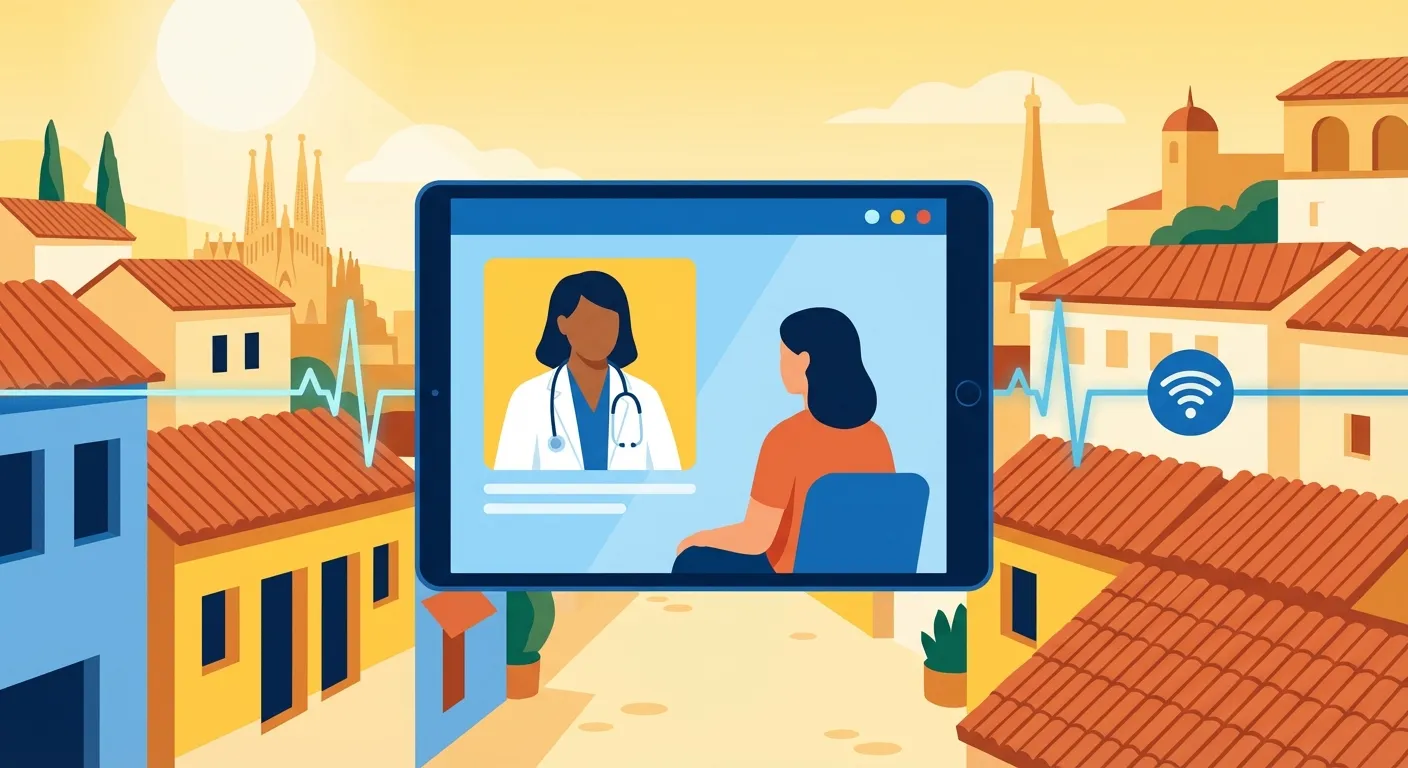
Telehealth has transformed from a pandemic-era emergency measure into a cornerstone of Spain's modern healthcare system. In just five years, from 2019 to 2024, telemedicine appointments surged from just 5% of primary care consultations to over 37%—a remarkable shift that reflects both patient demand and healthcare system innovation.
Whether you're a Spanish resident, an expat living in Spain, or planning to travel there, understanding how telehealth works in the Spanish healthcare landscape is essential to accessing convenient, quality medical care. This comprehensive guide covers everything you need to know about online doctor consultations in Spain in 2025.
Understanding Telehealth in Spain: What It Includes
Telehealth in Spain encompasses far more than simple video calls with doctors. Modern telemedicine services include:
Video Consultations: Face-to-face virtual appointments with doctors where you can discuss symptoms, receive diagnoses, and develop treatment plans without leaving your home.
Remote Monitoring: Chronic disease management through connected devices that track health metrics like blood pressure, glucose levels, and heart rate, with doctors reviewing data remotely.
E-Prescriptions: Digital prescriptions issued through the national REMPe system, valid at any pharmacy across Spain. Most pharmacies can dispense medications using just the QR code from your email—you only need to bring your ID.
AI-Assisted Diagnostics: Machine learning tools that help doctors with preliminary assessments and triage.
Specialist Access: Consultations with specialists like dermatologists, psychiatrists, cardiologists, urologists, and others, often with shorter wait times than in-person appointments.
The Spanish Ministry of Health formally includes telehealth as part of its "Estrategia de Salud Digital 2021–2026" (Digital Health Strategy 2021–2026), demonstrating the government's commitment to expanding and standardising digital healthcare across all 17 autonomous communities.
Spain's Telehealth Regulatory Framework: What You Need to Know
Unlike many countries with detailed telemedicine legislation, Spain takes a unique regulatory approach. Interestingly, telemedicine in Spain isn't specifically restricted by law—but it isn't explicitly regulated either, which can seem confusing at first.
The Legal Situation: Operating in a Framework of Ethics Rather Than Detailed Legislation
Here's what you need to understand: Spain permits telemedicine, but there is no single nationwide law that comprehensively defines or regulates it. Instead, telehealth operates within a framework of existing healthcare laws, ethical guidelines, and data protection regulations.
The key legal documents governing telehealth in Spain include:
Law 41/2002 on Patient Autonomy and Rights: This foundational law protects patient autonomy, governs digital medical records, and establishes patient rights during healthcare delivery. It provides the ethical baseline for telemedicine even though it predates widespread digital health adoption.
Royal Decree 81/2014: Establishes rules on cross-border healthcare and mentions "telemedicine services," though it doesn't provide comprehensive definitions or regulations for purely domestic telemedicine.
GDPR and LOPDGDD (Spanish Data Protection Law): These regulations mandate strict patient data protection, encryption standards, and privacy protections—critical for any telemedicine platform handling sensitive health information.
National ePrescription Law (Real Decreto 1718/2010): Enables digital prescriptions through the REMPe platform, allowing e-prescriptions to be valid across all Spanish territory.
The Spanish Code of Medical Ethics (Código de Ética): This is perhaps the most relevant document for understanding telehealth boundaries. The most recent update (2024) significantly expanded what's ethically permitted, moving beyond the restrictive 2011 version.
What the Spanish Medical Ethics Code Says
The updated Spanish Code of Medical Ethics now permits telemedicine for:
- General consultations (not just second opinions)
- Medical check-ups and follow-ups
- Chronic disease monitoring
- Prescription renewals
- Patient orientation and decision-making support
However, it maintains that clinical practice carried out exclusively through telematic means is contrary to medical ethical standards for initial diagnoses of complex conditions. This means a first consultation for a new, complicated medical problem should ideally include some element of direct contact, though telematic follow-ups are appropriate.
In practical terms: straightforward consultations, renewals, and follow-up care are fully acceptable via telemedicine, while complex initial diagnoses may be better handled through hybrid approaches.
Recent Developments: The 2024 Digital Health Pilot
Spain is actively modernising its healthcare digital infrastructure. In November 2024, Madrid and Valencia launched a new unified digital platform that integrates public and private healthcare appointments, including teleconsultation slots. This pilot consolidates fragmented regional portals into a single interface where residents can access:
- Specialist calendars
- Outpatient availabilities
- Teleconsultation scheduling
- Referral updates
The pilot demonstrates Spain's commitment to creating a seamless digital pathway for patients who navigate both public and private healthcare systems.
Who Can Provide Telehealth Services in Spain?
An important question: not every online doctor offering services is legally authorised to practice telemedicine in Spain.
Qualified Providers Include:
Licensed Medical Professionals: Doctors registered with the Spanish Medical College (Colegio Profesional de Médicos), holding current medical licenses and malpractice insurance.
Authorised Health Centres: Telemedicine can only be provided by authorised healthcare facilities—either public health system clinics or registered private practices.
Regulated Platforms: Reputable telemedicine platforms operating in Spain partner exclusively with GMC or Spanish medical college-registered physicians.
Important Safety Note:
When choosing a telemedicine provider, verify that:
- The doctor is registered with the Spanish Medical College (searchable online)
- The platform is an authorised health centre
- Your data is protected under GDPR and Spanish law
- Professional malpractice insurance is in place
- The provider maintains written records of your consultations
The lack of comprehensive national telemedicine legislation means that individual practitioners and platforms bear greater responsibility for ensuring compliance with medical ethics, data protection, and professional standards.
How to Access Telehealth in Spain: Step-by-Step Guide
The process for accessing telemedicine in Spain varies slightly depending on whether you're using public healthcare, private insurance, or private pay-per-consultation services.
Option 1: Public Healthcare System (SNS) Telemedicine
If you're registered with Spain's National Health System (Sistema Nacional de Salud), your primary care physician's clinic likely offers telemedicine appointments.
How to Book:
- Contact your local health centre (centro de salud) directly or through your regional health system's patient portal
- Ask specifically if your doctor offers telemedicine appointments
- Book through your regional health system's app or website
Costs: Free (included in your healthcare contributions if you're registered)
Availability: Varies by autonomous community and health centre. Some regions offer virtual appointments for routine follow-ups; others limit telemedicine to specific situations like prescription renewals or minor follow-up consultations.
Important Note: Public system telemedicine availability depends on your region's digital infrastructure. Rural areas and less-developed autonomous communities may have limited virtual appointment availability.
Option 2: Private Insurance Telemedicine
Spain has well-established private health insurers offering telemedicine services to policyholders.
Major Private Providers Include:
Savia (MAPFRE): Offers 24/7 access to general medicine consultations via video, available to MAPFRE insurance holders and as a standalone service.
Quirónsalud: Provides specialist care with hybrid access—both in-person and virtual consultations for cardiology, dermatology, psychiatry, and other specialties.
Top Doctors España: Connects patients with leading specialists across multiple medical fields.
How to Access:
- If you hold private health insurance, check your policy documents or call your insurer to confirm telemedicine benefits
- Non-insurance holders can often access these services through paid subscriptions or per-consultation fees
Typical Costs for Private Telemedicine:
- General consultation: €20–€50
- Specialist consultation: €50–€150
- Annual subscription for unlimited access: €200–€500
Option 3: Pay-Per-Consultation Private Services
For patients without insurance or those seeking specific specialists, direct-pay telemedicine platforms offer on-demand services.
Popular Platforms:
Virtual Clínica: Connects patients with experienced Spanish online doctors for consultations, chronic disease management, and prescription renewals. Services available 24/7 with same-day appointment availability.
Doctor Spain: Offers video consultations with registered Spanish doctors who can issue digital prescriptions valid through the REMPe system.
My Medical Valencia: Provides English-speaking doctors available for telemedicine appointments, particularly useful for expats.
How to Book:
- Visit the platform website
- Select your medical specialty and preferred time
- Complete the patient information form
- Make payment (usually €20–€60 depending on service)
- Receive a video call link via email, typically within 24 hours
- Complete your consultation and receive prescriptions via email
Consultation Process:
- Appointment confirmation via email
- Payment through secure platforms (PayPal, bank transfer, or card)
- Video consultation link sent 30 minutes before appointment
- Consultations conducted via web browser (no app download required) or Skype/FaceTime if preferred
- Prescriptions emailed immediately after consultation with QR codes valid at any Spanish pharmacy
What Medical Services Are Available via Telehealth in Spain?
Services Well-Suited to Telemedicine:
General Practice Consultations: Initial symptom assessment, health advice, and non-emergency concerns.
Chronic Disease Management: Follow-up care for diabetes, hypertension, COPD, asthma, and other long-term conditions with remote monitoring capabilities.
Prescription Renewals and Refills: Routine repeat prescriptions for stable conditions.
Mental Health Services: Psychiatry, psychology, and counselling consultations.
Dermatology: Skin condition assessment, often effective via video given visual diagnosis methods.
Gastroenterology Follow-Up: Post-procedure consultations and management of chronic GI conditions.
Cardiology Follow-Up: Review of cardiac test results and medication management (though initial diagnosis typically benefits from in-person assessment).
Specialist Consultations: Second opinions, diagnostic reviews, and follow-up consultations across most medical fields.
Sexual Health Services: STI consultations, contraception advice, and sexual health screening.
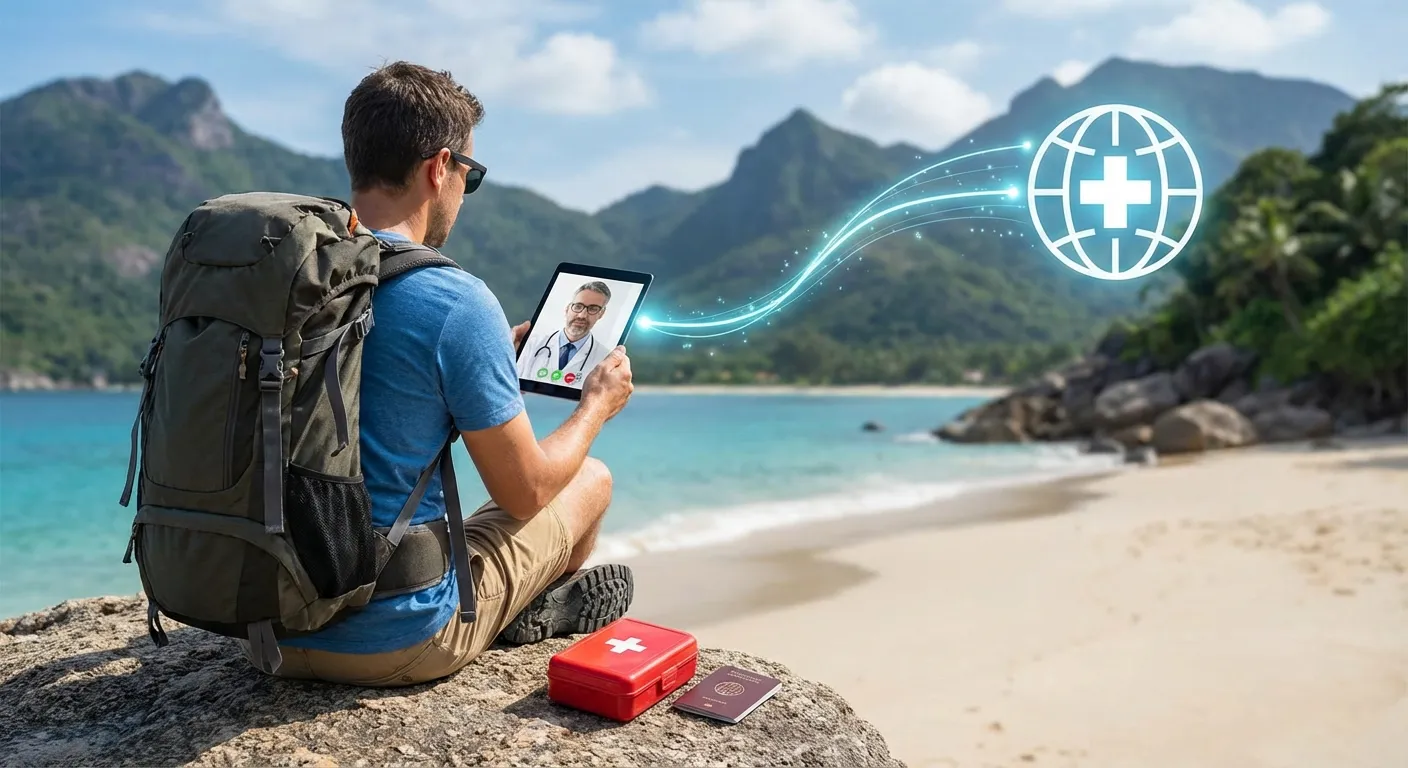
Travel Medicine: Fit to fly certificates, travel vaccination advice, and travel health consultations.
Services Generally NOT Available via Telemedicine:
Physical Examinations: Conditions requiring hands-on assessment, palpation, or auscultation typically need in-person visits.
Acute Emergency Care: Life-threatening emergencies should go to hospital emergency departments, not telemedicine platforms.
Complex Diagnostic Procedures: Patients requiring colonoscopies, ultrasounds, ECGs, or other equipment-based diagnostics need in-person appointments.
Initial Surgical Consultations: First consultations for surgical procedures typically require in-person evaluation.
Paediatric Care: Young children often require physical examination; telemedicine is typically limited to follow-up consultations.
Digital Equity and Accessibility in Spain's Telehealth System
Spain has been intentional about addressing digital disparities to ensure telemedicine benefits reach all populations.
Rural Healthcare Access: A Major Win for Telehealth
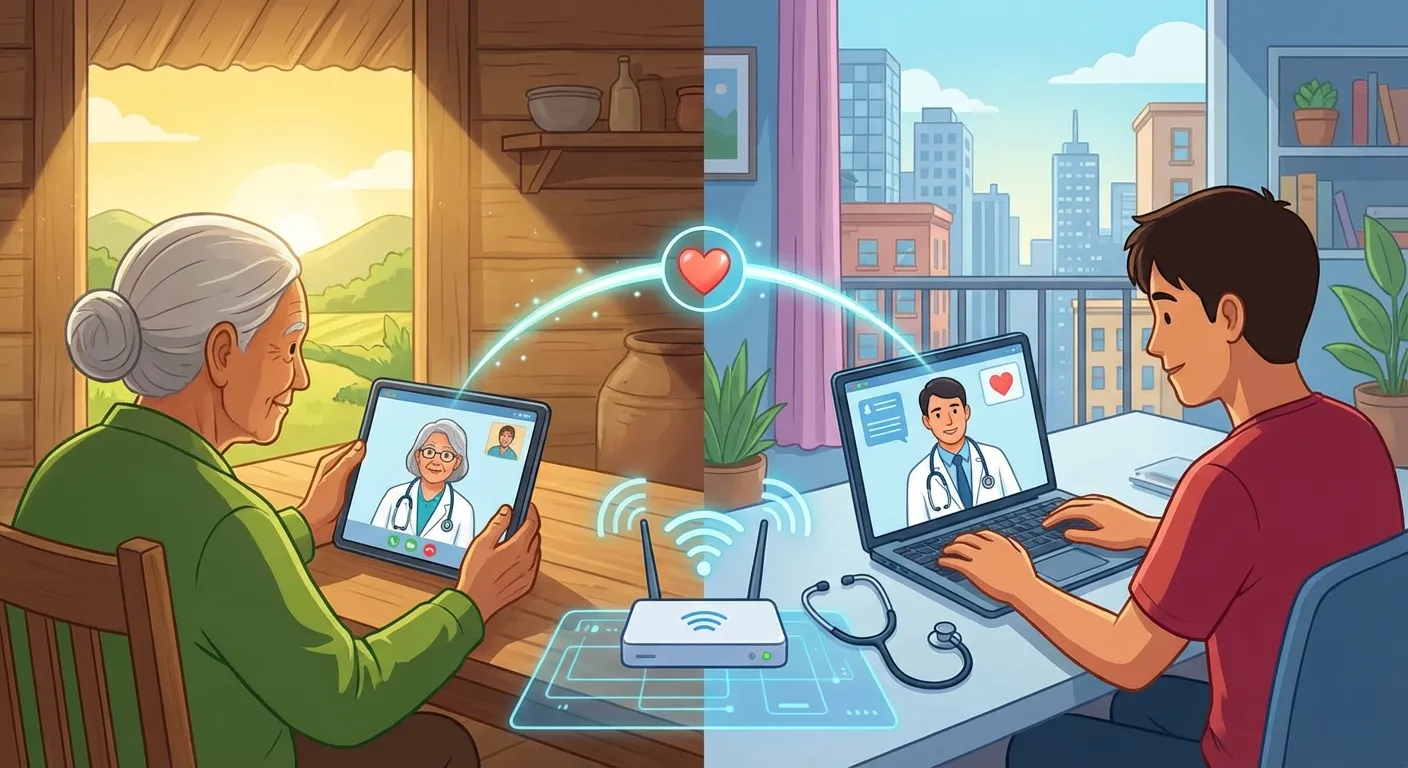
Over 30% of teleconsultations in 2024 were from towns with fewer than 10,000 residents, demonstrating telehealth's powerful impact on rural healthcare access. Regions like Extremadura, Castilla-La Mancha, and Andalusia—which historically faced specialist shortages—have seen significant improvement in specialty access through telemedicine.
For rural patients, telemedicine eliminates travel barriers, reduces time away from work or family, and provides faster access to specialists previously available only in major cities.
Challenges Remaining:
Digital Literacy Gaps: Elderly patients and those unfamiliar with technology sometimes struggle with video consultation platforms. Healthcare providers increasingly offer phone-only consultations as alternatives.
Broadband Infrastructure: While urban areas have robust connectivity, some remote villages still face unstable internet. Telephone consultations remain an important option.
Device Access: Not all patients have computers or tablets with cameras. Some platforms now offer consultation through smartphones or feature phone call-only options.
Clinical Efficacy for Rural Patients
Studies show that telemedicine is particularly effective for:
- Chronic disease monitoring in rural areas (30–50% increase in clinic efficiency)
- Specialist consultations that previously required 3–4 hour travel times
- Prescription renewals and follow-up management
- Mental health services, which face particular shortages in rural Spain
Data Protection and Privacy: How Your Health Information Is Safeguarded
Spain takes data protection extremely seriously, particularly for sensitive health information.
Legal Protections:
All telemedicine providers operating in Spain must comply with:
GDPR (General Data Protection Regulation): EU-wide regulation mandating explicit patient consent, data minimisation, and strict security standards.
LOPDGDD (Spanish Organic Law on Data Protection): Spain's national implementation of GDPR with additional protections specific to healthcare data.
Patient Confidentiality Laws: Article 163 of Spain's Criminal Code specifically protects the confidentiality of patient health information.
What This Means in Practice:
Informed Consent: Providers must explicitly ask for your permission to store your data and explain exactly how it will be used.
Encryption: All data transmission must be encrypted using current security standards.
Data Minimisation: Providers should only collect information necessary for your care.
Retention Limits: Your health records cannot be retained indefinitely; providers must have clear policies on data retention and deletion.
Patient Access: You have the right to request access to your health records, know what data is stored about you, and request corrections if information is inaccurate.
Breach Notification: If your data is compromised, providers must notify you and relevant authorities within 72 hours.
Practical Precautions You Can Take:
- Verify the platform uses HTTPS (secure connection) in the URL
- Check their privacy policy before sharing information
- Ask about data retention policies
- Confirm whether your data is stored in Spain or the EU
- Avoid sharing sensitive information over email unless encrypted
- Review the privacy terms before booking your appointment
The Economics of Telehealth in Spain
Understanding the financial landscape helps you make informed decisions about which telehealth option best fits your circumstances.
Cost Comparison: Public vs. Private Telemedicine
| Service Type | Cost | Processing Time | Typical Wait |
|---|---|---|---|
| Public SNS telemedicine | Free | Included in healthcare contributions | 5–14 days |
| Private insurance (included benefit) | Varies by plan | Included in premium | Same-day to 3 days |
| Private pay-per-consultation | €20–€60 | Payment at booking | Same-day to next-day |
| Specialist private consultation | €50–€150 | Payment at booking | Same-day to next-day |
| Chronic disease monitoring program | €200–€500/year | Subscription model | Real-time access |
Why Cost Varies:
Doctor Qualification: Consultations with generalists cost less than specialist consultations.
Appointment Urgency: Same-day appointments typically cost more than appointments booked 2–3 days in advance.
Platform Type: Established platforms with strong credentialing infrastructure typically charge more than newer entrants.
Geographic Location: Services serving primarily English-speaking expats may cost more than Spanish-language equivalents.
Duration: Longer consultations (20–30 minutes) cost more than brief 10–15 minute consultations.
Value Proposition for Spanish Telehealth:
Compared to international alternatives, Spanish telemedicine offers strong value:
- Faster access than UK NHS telemedicine (often same-day vs. weeks of wait times)
- Lower cost than US private telemedicine while maintaining comparable quality
- Better regulated than many emerging market options with strong data protection guarantees
- Prescription integration: E-prescriptions work immediately at Spanish pharmacies rather than requiring separate steps
The Future of Telehealth in Spain: What's Coming
Spain's telemedicine landscape continues to evolve rapidly. According to Spain's Ministry of Health and digital health authorities, several developments are on the horizon:
Projected Adoption: Over 60% of Spanish households will use telehealth at least once annually by 2027, up from approximately 37% currently.
AI Integration: Artificial intelligence will become standard in triage systems, helping doctors prioritise patients and streamline initial assessments.
Wearable Technology: Integration of connected health devices (smartwatches, continuous glucose monitors, blood pressure monitors) will enable real-time remote monitoring for chronic conditions.
EU-Wide Collaboration: The EU is working toward mutual recognition of digital health qualifications, potentially enabling cross-border telemedicine within Europe.
Expanded Specialist Access: More medical specialties will transition to hybrid models where initial consultations may be in-person but follow-ups and routine management are conducted virtually.
Regional Integration: Spain's regional digital health pilots (like the Madrid-Valencia integration) will expand to all 17 autonomous communities, creating seamless digital healthcare pathways.
Regulatory Clarification: Spain is developing more specific telemedicine guidelines and formal regulatory frameworks, providing greater legal certainty for providers and patients.
Choosing the Right Telehealth Option for Your Situation
Your best choice depends on several factors:
Choose Public Healthcare Telemedicine (SNS) If:
- You're registered with Spain's National Health System
- You're comfortable with potentially longer wait times (5–14 days)
- Cost is a primary concern
- You already have an established relationship with your GP
- Your region offers good telemedicine infrastructure
Choose Private Insurance Telemedicine If:
- You have private health insurance with telemedicine benefits included
- You value faster access (same-day to 3-day appointments)
- You want flexibility in choosing specialists
- You're willing to pay through insurance premiums
Choose Pay-Per-Consultation Services If:
- You need immediate access (same-day or next-day appointments)
- You don't have insurance coverage
- You're seeking a specific specialist not available through your current provider
- You value convenience and simple booking processes
- You're an expat seeking English-speaking doctors
Practical Preparation Tips for Your Telemedicine Appointment
When you book your consultation, preparing properly ensures you get the most value from your appointment:
Gather Medical Information: Have ready any recent test results, medication lists, or medical history relevant to your consultation.
Document Your Symptoms: Write down when symptoms started, what triggers them, what makes them better or worse, and how they affect your daily life.
List Your Medications: Include dosages and frequencies for all current medications, supplements, and over-the-counter products.
Prepare Your Environment: Choose a quiet, private location with adequate lighting and a stable internet connection.
Test Your Technology: Log in 10 minutes early to test your camera, microphone, and internet connection.
Have Your ID Ready: If the doctor issues a prescription, you'll need your ID number (NIE or DNI) to collect medications from a pharmacy.
Take Notes: Have pen and paper ready to document recommendations, prescriptions, and any follow-up appointments.
Key Takeaways
- Telehealth is now mainstream in Spain, with 37% of primary care appointments conducted virtually in 2024
- Regulatory framework is permissive rather than restrictive—telemedicine is legal and increasingly integrated into healthcare delivery
- Multiple access routes exist, from free public healthcare telemedicine to affordable private pay-per-consultation services
- Data protection is rigorous, with GDPR and Spanish law providing strong privacy safeguards
- Rural access has improved dramatically, with 30% of 2024 teleconsultations from towns under 10,000 residents
- Quality is comparable to in-person care for appropriate conditions, with faster access and greater convenience
- Future expansion is inevitable, with projected adoption to exceed 60% by 2027 and AI integration becoming standard
Spain's telemedicine ecosystem demonstrates how thoughtful digital health integration—without heavy-handed regulation—can expand access while maintaining quality and protecting patient rights. Whether you're managing a chronic condition, seeking a specialist opinion, or simply wanting convenient healthcare access, telehealth in Spain offers practical, affordable, and secure options for modern medical care.