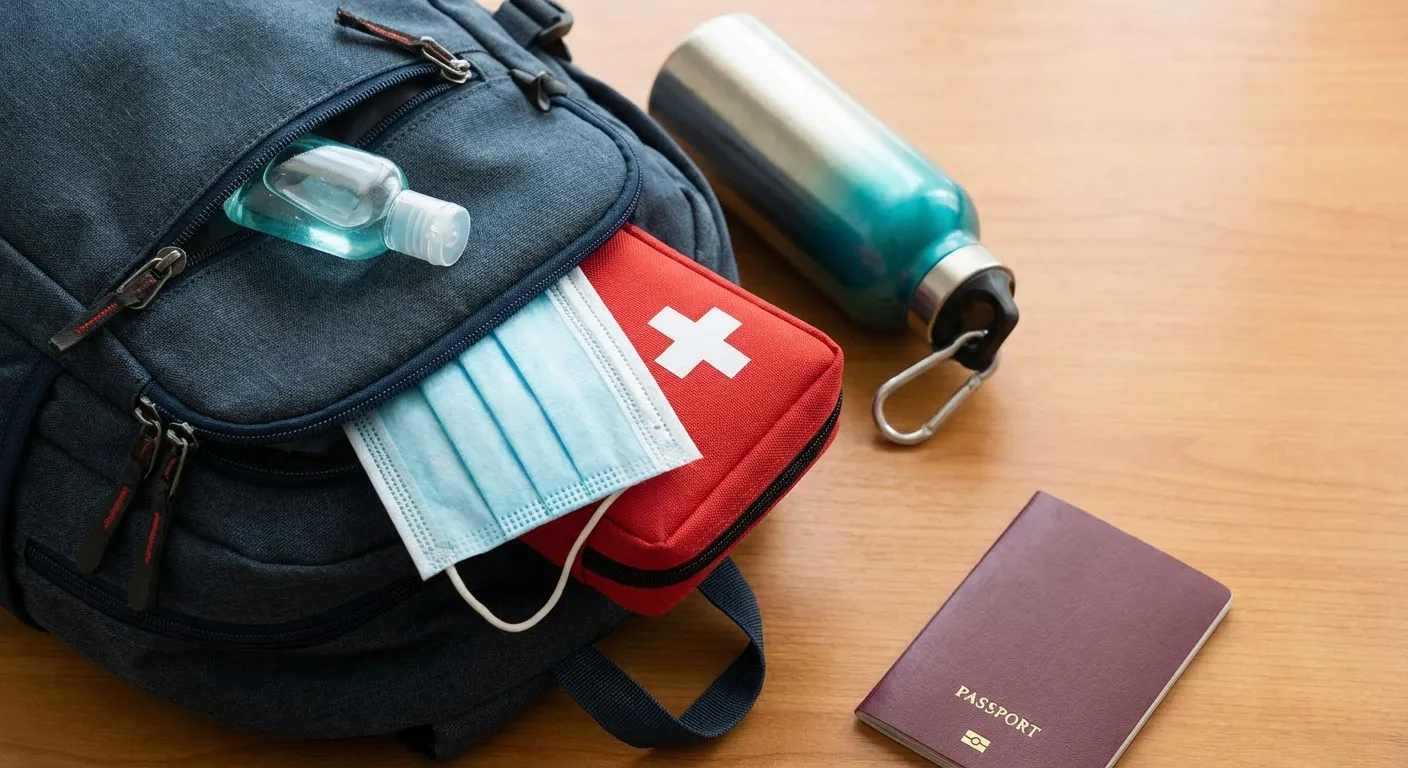
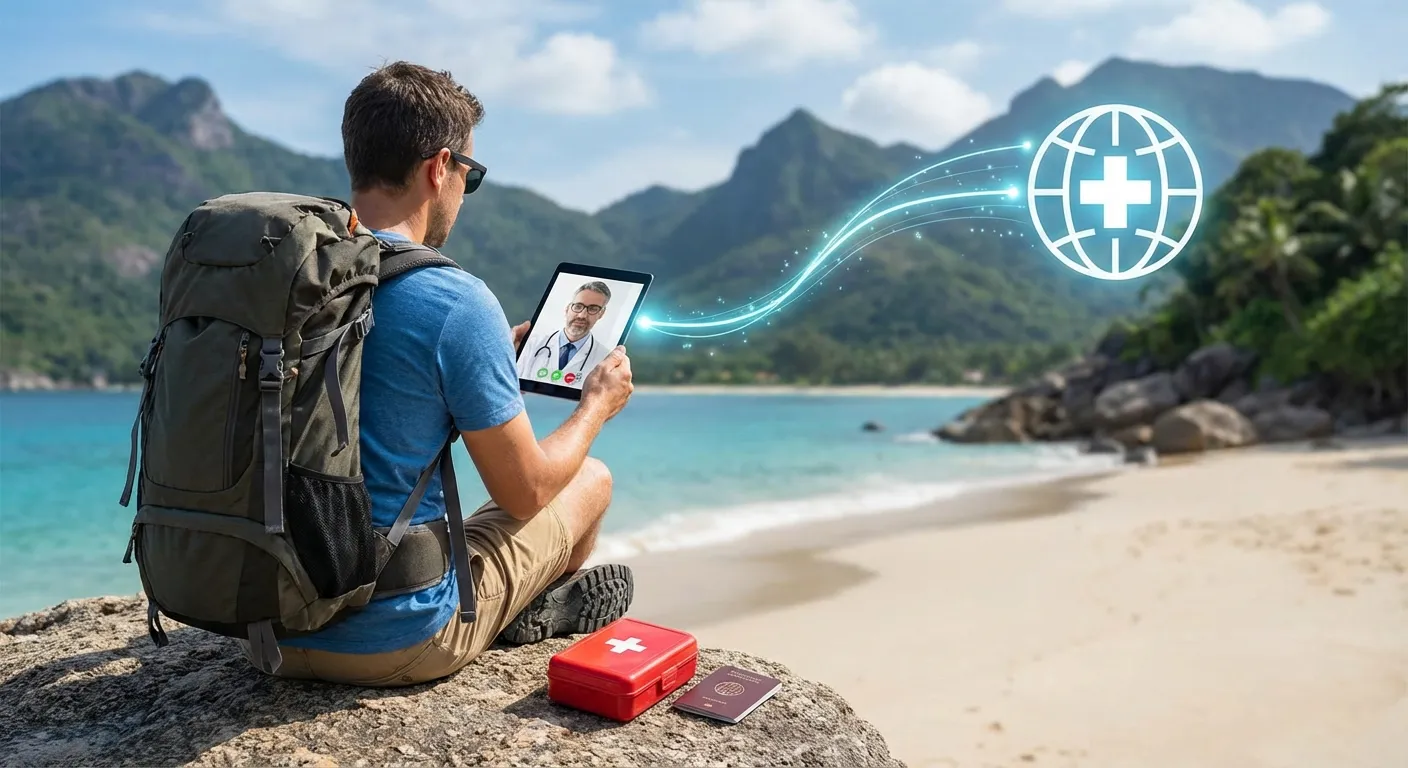
Traveller's Diarrhea in Spain: Prevention, Treatment & When to Seek Medical Help
Complete guide to managing traveller's diarrhea in Spain: understand causes, learn effective prevention strategies, discover what to eat during recovery, know when to see a doctor, and access Spain's healthcare system quickly.
Dr. Nathan Pierce
Medical Professional
Medically reviewed by Dr. Nathan Pierce · Updated January 17, 2026

Traveller's Diarrhea in Spain: Prevention, Treatment & When to Seek Medical Help
Introduction: The Most Common Travel Health Crisis
You're in Spain having the time of your life. You've been there 3 days. Then on day 4, your stomach turns. By day 5, you're making frequent urgent trips to the bathroom. By day 6, you're weak, dehydrated, and genuinely questioning whether you can continue your trip.
Traveller's diarrhea isn't just uncomfortable—it's the most common health issue affecting international travelers, affecting up to 50% of people traveling from developed countries to Spain and southern Europe. It ruins vacations, derails business trips, and creates stress exactly when you're supposed to be enjoying yourself.
But here's what most travelers don't know: Traveller's diarrhea is usually manageable, rarely serious, and easily preventable. More importantly, understanding when it's just inconvenient versus when you actually need medical help can save you money and stress.
This guide covers everything: how it happens, how to prevent it, what to actually eat when you have it (hint: the advice you've heard is wrong), when to call a doctor, and how to get that doctor quickly in Spain.
What Is Traveller's Diarrhea? The Reality
The Medical Definition
Traveller's diarrhea (also called "Montezuma's Revenge," "Delhi Belly," or if you're in Spain, "turista") is acute diarrhea (3+ loose stools per day for 3+ consecutive days) caused by consuming food or water contaminated with bacteria, viruses, or parasites.
Most common causes:
- Enterotoxigenic E. coli (ETEC) - 30-50% of cases
- Campylobacter - 10-15%
- Shigella - 5-10%
- Salmonella - 5%
- Viruses (norovirus, rotavirus) - 5-10%
- Parasites (Giardia, Cryptosporidium) - Rare in Spain
Why Spain Specifically?
Spain's healthcare system and water safety are excellent, so traveller's diarrhea risk is moderate to low compared to developing countries. You're more likely to get it from:
- Undercooked seafood (especially paella with shellfish)
- Restaurants with poor hygiene standards (typically lower-end tourist areas)
- Food left unrefrigerated in heat
- Water from unreliable sources
- Cross-contamination in kitchens
Actually safe in Spain:
- Tap water in major cities and tourist areas (Barcelona, Madrid, Valencia, Seville) - Generally safe, though some people's stomachs react to different mineral content
- Major chain restaurants
- Food from reputable establishments
- Pasteurized dairy
Where risk is highest:
- Small rural restaurants with unclear hygiene
- Street food from vendors without proper sanitation
- All-inclusive resort buffets (food sitting in heat)
- Fresh juices from unknown sources
Symptoms: What You're Actually Experiencing
Classic Traveller's Diarrhea
Typical presentation:
- Sudden onset (often 24-48 hours after exposure, but can be up to 7 days)
- Watery stools (3-5+ per day typically)
- Mild to moderate stomach cramps
- Urgency (little warning before needing bathroom)
- Nausea or low-grade fever (sometimes)
- General feeling of malaise/weakness
Duration: Usually 3-5 days if untreated; 1-2 days with treatment
What makes it traveller's diarrhea vs. regular stomach bug:
- Connection to travel/new food environment
- Timing after arrival in new country
- Lack of contagiousness (you're not spreading it to others)
When It Might Be Something Else
Red flags suggesting NOT simple traveller's diarrhea:
- Severe abdominal pain (appendicitis, pancreatitis)
- Bloody stools or mucus (more serious infections, inflammatory bowel disease)
- Persistent high fever (38°C+) lasting 3+ days (likely bacterial, needs treatment)
- Severe dehydration symptoms (extreme weakness, confusion, fainting)
- Symptoms lasting 7+ days (suggests parasite or bacterial infection)
- Concurrent respiratory symptoms (suggesting viral infection)
If you have red flags: See a doctor immediately. Don't try to self-treat.
Prevention: Actually Effective Strategies
Tier 1: Most Important (Do These First)
1. Tap water decision
In major Spanish cities (Barcelona, Madrid, Valencia, Seville, Granada):
- Tap water is generally safe
- If your stomach is sensitive to mineral content, buy bottled water
- Brushing teeth with tap water: Fine
- Ice cubes: Generally safe (made from treated water)
- Showers: Obviously safe
In smaller towns or rural areas:
- Ask hotel/restaurant staff: "Is tap water safe?"
- When in doubt: Bottled water
- Avoid ice from questionable sources
Rule of thumb: If locals are drinking it, probably safe for you too.
2. Undercooked or suspicious food avoidance
Highest risk foods:
- Shellfish, especially in paella, if undercooked
- Mayonnaise-based salads left unrefrigerated
- Raw/undercooked meat
- Unpasteurized dairy
- Fresh juice from unknown sources
- Food that's been sitting at room temperature for hours
Safer options:
- Hot foods (properly heated kills bacteria)
- Fruits you peel yourself
- Well-cooked vegetables
- Food from busy, popular restaurants
- Recognizable chain restaurants
Practical approach: Don't be paranoid, but do be sensible. Avoid suspicious-looking buffets and street food from vendors with questionable cleanliness.
3. Hand hygiene
- Wash hands before eating (soap and water for 20 seconds)
- Carry hand sanitizer as backup
- Avoid touching your face after touching high-touch surfaces
- If hand sanitizer is your only option, let it dry completely
Tier 2: Extra Protection (If You're Nervous)
4. Probiotics (limited evidence, but some benefit)
- Take a quality probiotic supplement before and during travel
- Evidence is mixed, but some studies show modest risk reduction
- Cheap insurance (£10-15 for trip supply)
- Won't hurt; might help
5. Antimotility medication BEFORE you need it (Imodium)
- Carry anti-diarrheal medication (loperamide/Imodium)
- NOT to take once you have diarrhea (see below—can make it worse)
- But useful if you start feeling symptoms and need to survive a 6-hour bus ride
- Use judiciously, not as first line
6. Oral rehydration salts (ORS)
- Buy electrolyte sachets before traveling or in pharmacy
- Way cheaper than buying drinks in Spain
- Essential if you develop diarrhea
- Cost: £5-10 for trip supply
What Actually Happens If You Get It
Days 1-2: The Acute Phase
What's happening: Your intestines are inflamed and trying to expel the pathogen. The diarrhea is actually your body's defense mechanism.
Symptoms:
- Sudden urgency to defecate
- Watery stools
- Stomach cramping
- Possibly fever or chills
- Weakness from dehydration
What to do:
- Stay hydrated (most important thing)
- Avoid solid food for 24 hours initially
- Rest (your body is fighting an infection)
- Over-the-counter medication optional
Do NOT take:
- Imodium or antidiarrheal medication (traps bacteria in your system)
- Antibiotics unless symptoms are severe (most cases resolve on their own)
Days 2-5: The Middle Phase
What's happening: Infection is peaking. Your body is mounting immune response. Hydration becomes critical.
Symptoms:
- Continuing diarrhea (usually improving by day 3-4)
- Cramping less severe
- Weakness improving if hydrating properly
- Hunger returning
What to do:
- Continue hydrating obsessively
- Start introducing bland food
- Monitor for worsening symptoms
- Consider doctor visit if not improving by day 4
Red flag: If fever stays above 38°C or increases, or if blood appears in stools → See doctor
Days 5+: Resolution or Complication
What's happening: Most cases resolve within 5 days. If you're still going, it might be:
- Parasitic infection (takes longer to resolve)
- Bacterial infection that needs antibiotics
- IBS or food sensitivity (not an infection)
At this point:
- See a doctor (likely need tests and treatment)
- Don't just wait it out
Treatment: What Actually Works
Tier 1: Hydration (Most Important)
Why: Diarrhea causes fluid and electrolyte loss. Dehydration is the main risk.
How much to drink:
- Start: 500mL every 30 minutes while actively having diarrhea
- Goal: Drink enough so urine is clear/pale, not dark
- Type: Oral Rehydration Solution (ORS) is best, water is okay if that's all available
Best drinks:
- Commercial ORS (Dioralyte, similar brands)
- Homemade: 1 liter water + 6 teaspoons sugar + 1/2 teaspoon salt
- Coconut water (if ORS not available)
- Sports drinks (less ideal but better than nothing)
Avoid:
- Pure water alone (doesn't replace electrolytes)
- Alcohol, caffeine, high-sugar drinks
- Milk (can worsen symptoms)
- Sugary sodas (dehydrating)
Tier 2: Dietary Management
Phases:
First 24 hours: Nothing to very light foods
- Sip fluids
- Rest digestive system
- Avoid food if possible
Days 2-3: Bland, easy-to-digest foods
- Crackers, toast (plain, no butter)
- Rice or white bread
- Banana (if feeling brave)
- Plain chicken or fish
- Boiled vegetables (carrot, potato)
- Applesauce
What NOT to eat:
- Dairy (lactose intolerance worsens with infection)
- Fatty foods (hard to digest)
- Fiber-rich foods (speeds transit further)
- Spicy foods (irritates gut)
- Whole grains
- Fresh fruit (except banana, applesauce)
Foods you can introduce after 48-72 hours if improving:
- Regular foods, gradually
- Probiotics (yogurt once recovered)
- Normal diet by day 5-7
Tier 3: Medications
Option A: Do Nothing (Conservative Approach)
Rationale:
- Most cases resolve on their own within 5 days
- Antibiotics aren't always helpful
- Your immune system is handling it
Pros:
- No medication side effects
- Cheapest option
- Lets your body fight it naturally
Cons:
- Takes longer (5+ days)
- More suffering
- Weeks of incomplete recovery (weakness, loose stools)
Best for: Mild cases, first 2-3 days, if you can afford to take it easy
Option B: Loperamide (Imodium) - USE CAREFULLY
What it is: Slows intestinal transit, reduces urgency
When to use:
- NOT in first 24-48 hours (traps infection)
- ONLY if you must function (e.g., important event/work)
- ONLY if symptoms are mild (no fever, no blood)
Dosage: 2mg (1 tablet) after each loose stool, max 8mg/day
Timeline: 24-48 hours relief (but doesn't cure infection)
Cons:
- Can prolong infection if used early
- Can cause worse rebound diarrhea after stopping
- Not appropriate if fever or blood present
Verdict: Use sparingly, not as first-line treatment
Option C: Antibiotics - Consider if Necessary
When appropriate:
- Fever 38°C+ for 2+ days
- Bloody or mucoid stools
- Severe symptoms interfering with life
- Not improving after 3-4 days
- Symptoms progressing
Typical antibiotics:
- Ciprofloxacin (most common)
- Azithromycin
- Others depending on diagnosis
Timeline to relief: Usually 24-48 hours of improvement after starting
How to get in Spain:
- Visit pharmacy with prescription from doctor
- Can also call telemedicine doctor
- Typically €5-15 for medication
Cons:
- Side effects possible
- Can disrupt gut bacteria long-term
- Unnecessary if mild case
Verdict: Use if symptoms are moderate-severe or not improving after 3-4 days
Need antibiotics for severe symptoms? You can get an antibiotic prescription online from our English-speaking doctors. We're available 24/7 to help you recover quickly.
My Recommendation (Practical Approach):
- Days 1-2: Hydrate obsessively, don't eat, monitor temperature
- Day 3: If improving, continue hydrating and start bland food
- Day 3: If NOT improving or fever develops, see doctor
- Days 3-5: If symptom control needed before recovery, consider Imodium sparingly
- Day 4+: If fever, blood, or worsening, definitely see doctor (probably antibiotics needed)
Getting Medical Help in Spain: Faster Than You Think
Reassurance: Spain has excellent healthcare. Getting help is easy and affordable.
Option 1: Pharmacy First (Fastest)
Go to: Any "Farmacia" (pharmacy)
What to say: "Tengo diarrea del viajero. ¿Puedo hablar con el farmacéutico?" ("I have traveller's diarrhea. Can I speak with the pharmacist?")
What they'll do:
- Ask about symptoms
- May recommend ORS, anti-diarrheal, or probiotic
- May recommend seeing doctor if sounds serious
- Typically €5-15 for medication
Timeline: 15-30 minutes
Pros:
- No appointment needed
- Fast
- Expert advice
- Inexpensive
Cons:
- Can't prescribe antibiotics in Spain (need doctor prescription usually)
- Limited to over-the-counter advice
Option 2: Telehealth Doctor (Convenient)
What it is: Video consultation with doctor, available in Spain
Platforms offering this:
- UrgentDoc (serves Spain, English-speaking doctors)
- Telemedicina 24
- Various private insurance company apps
Process:
- Book appointment (usually same-day available)
- Video consultation (15-20 minutes)
- Doctor assesses condition
- Can prescribe antibiotics if needed
- Recipe (prescription) sent to pharmacy
- Pick up medication same-day
Cost: €30-60 consultation
Timeline: 2-4 hours typically from booking to prescription in hand
Pros:
- Fast
- No travel
- Can prescribe antibiotics
- English-speaking options
- Professional assessment
Cons:
- Cost (€30-60)
- Video only (no physical exam)
- Need internet/device
Best for: You want assessment + prescription without leaving hotel
Option 3: Walk-In Urgent Care (Spain)
What it is: Public urgent care centers without appointments (called "Centro de Urgencias" or "Clínica Privada de Urgencias")
How to find:
- Ask hotel staff: "¿Dónde está el centro de urgencias?"
- Search "urgencias [city name]" on Google Maps
- Many hospitals have urgent care sections
Process:
- Show up (no appointment)
- Register (bring passport)
- Wait (could be 30 minutes to 2 hours)
- See doctor
- Prescription issued if needed
- Go to pharmacy
Cost:
- Public: €0-50 (depending on insurance)
- Private: €60-120
Timeline: 1-3 hours typically
Pros:
- Can examine you physically
- Can do stool test if needed
- Full medical assessment
- Can prescribe anything
- Affordable if public
Cons:
- Wait times can be long
- Travel to clinic
- Your time investment
Option 4: Your Hotel Doctor (If Available)
Many hotels have:
- On-call doctor
- Medical clinic on-site (larger hotels)
- Partnerships with local clinics
Advantage:
- Sometimes free or discounted for guests
- No travel
- Quick access
Disadvantage:
- Limited availability
- Quality varies
Check: Ask hotel staff about medical services on arrival
When to Definitely See a Doctor
Don't wait; go immediately if:
- Severe abdominal pain (not just cramping)
- Blood in stools or black tarry stools (melena)
- Fever above 38.5°C or lasting 3+ days
- Severe dehydration signs (extreme thirst, no urination for 6+ hours, dizziness, confusion)
- Symptoms not improving after 5 days
- Severe ongoing diarrhea after 4-5 days (suggests parasite)
Go soon (same day) if:
- Fever 38-38.5°C
- Moderate dehydration despite drinking
- Blood-tinged stools
- Severe cramping persisting
Can wait/home treat if:
- Mild diarrhea, no fever
- Managing hydration fine
- Just uncomfortable, not incapacitated
- Improving after 48 hours
The Financial Reality
Free options:
- Pharmacy consultation: Free (sometimes), though medication costs €5-15
- Public health clinic: Free or €0-20
Paid options:
- Telemedicine consultation: €30-60
- Private walk-in clinic: €60-120
- Private doctor visit: €80-150
Medication costs in Spain (very affordable):
- ORS: €2-4 per packet
- Loperamide: €3-5
- Antibiotics: €5-15
- Probiotics: €8-12
Total cost for treated case: €30-80 typically
Compare to UK or US: About 1/3 the cost, much faster access
Prevention Redux: Simple Checklist
Before traveling:
- ☑ Consider antimotility medication (just in case)
- ☑ Buy/know about ORS packets
- ☑ Research hydration strategy
In Spain:
- ☑ Use tap water in major cities freely
- ☑ Avoid suspicious food sources
- ☑ Wash hands before eating
- ☑ Don't obsess (most travelers don't get it)
If symptoms develop:
- ☑ Hydrate first, food second
- ☑ Don't immediately take Imodium
- ☑ Monitor temperature
- ☑ See doctor if worsening or after 4 days
Will I Need a Medical Certificate?
Probably not, unless:
- You miss flights (might need doctor's letter for rebooking)
- You're on business trip needing doctor's note for work
- Travel insurance claim (need documentation)
- Over 5-7 days of symptoms (might have serious condition)
Most traveller's diarrhea: You'll be recovered before documentation matters
Final Thoughts
Traveller's diarrhea is awful but manageable. It's not usually serious, it resolves on its own, and Spain's healthcare makes getting help easy and affordable. Stay hydrated, eat lightly initially, and don't catastrophize.
Most importantly: You're unlikely to get it if you're even slightly cautious. And if you do, you'll probably be fine within 5 days.
Stop worrying about it and enjoy Spain.