Essential Health Tips for Travellers to Spain
Doctor-approved health tips for visiting Spain — vaccinations, sun safety, tap water, pharmacy access, EHIC/GHIC coverage and when to see a doctor.
Dr. James Wilson
Medical Professional
🩺 10 Essential Health Tips for International Travellers to Spain
Travelling to Spain is exciting — but exposure to unfamiliar food, climate and healthcare systems can catch visitors off guard. Whether you're a tourist, expat or business traveller, taking a few precautions before and during your trip can help you stay healthy and avoid costly medical emergencies.
According to the World Health Organisation (WHO), up to 50% of international travellers experience some form of health problem during or after their trip. The good news is that most travel-related health issues are preventable with proper preparation.
If you need medical advice during your trip to Spain, book an online consultation with UrgentDoc — speak to an EU-licensed doctor in English within minutes, from wherever you are.
⚠️ Medical disclaimer: This article is for informational purposes only and does not replace professional medical advice, diagnosis or treatment. Always consult a qualified healthcare provider about your individual circumstances.
🔹 1. Arrange a Pre-Travel Health Consultation
Schedule a consultation with a healthcare provider at least 4–6 weeks before your departure. This allows time for:
- Reviewing your vaccination status and getting any needed boosters
- Discussing destination-specific health risks
- Arranging prescriptions for travel medications (antimalarials, altitude sickness medication, etc.)
- Addressing any pre-existing conditions that may be affected by travel
The CDC Travellers' Health page provides up-to-date destination-specific health recommendations. For Spain specifically, no special vaccinations are required, but routine vaccines should be up to date.
🔹 2. Know Your Vaccination Status
Before travelling internationally, ensure you're current on:
- Routine vaccinations: MMR, tetanus-diphtheria-pertussis, polio, varicella, flu
- Hepatitis A and B: Recommended for many destinations, especially if you plan to eat street food or visit rural areas
- COVID-19 boosters: Check the latest entry requirements for your destination
The NHS Fit for Travel page provides country-specific vaccination advice for travellers from the UK.
🔹 3. Pack and Manage Medications Properly
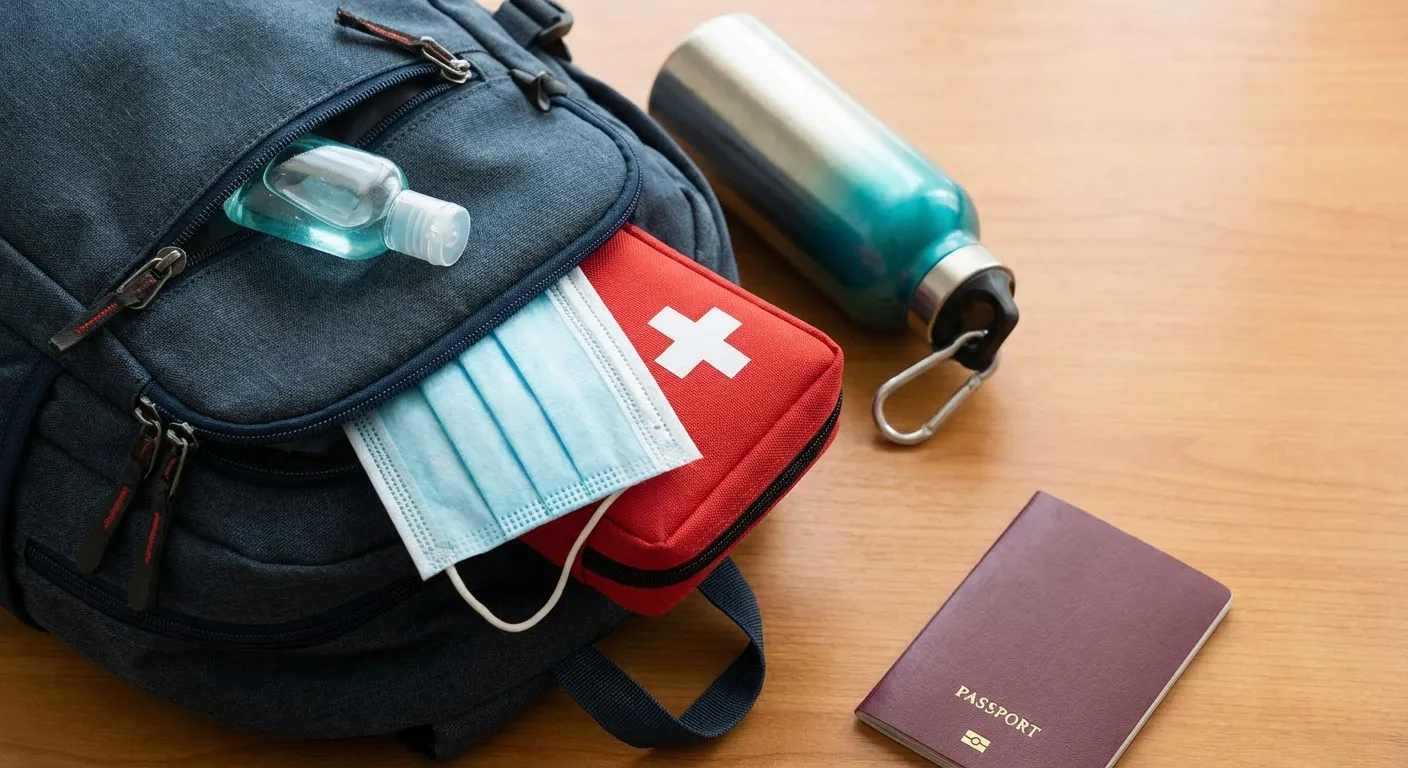
Proper medication planning is critical for travellers:
- Bring more medication than you need in case of delays — carry at least a week's extra supply
- Keep medications in their original containers with pharmacy labels
- Carry a doctor's letter explaining your prescriptions, especially for controlled substances
- Pack medications in your carry-on luggage, never in checked bags
- Check whether your medications are legal in Spain — most common medications are, but some require documentation
If you run out of medication while in Spain, UrgentDoc can help with prescription refills online — including for UK expats needing prescription refills.
🔹 4. Get Comprehensive Travel Insurance
The European Commission recommends that all travellers have adequate health coverage. Key things to check:
- Emergency medical treatment and hospitalisation
- Medical evacuation back to your home country
- Pre-existing conditions — many standard policies exclude these
- Adventure activities — skiing, water sports and hiking may need additional cover
- Dental emergencies
If you're an EU citizen travelling to Spain, your European Health Insurance Card (EHIC) or Global Health Insurance Card (GHIC) covers emergency treatment in public healthcare. However, these do not cover private treatment, repatriation or non-emergency care.
🔹 5. Protect Yourself from the Sun and Heat
Spain's climate can be intense, especially during summer months (June–September). The WHO recommends:
- Use broad-spectrum sunscreen (SPF 30+) and reapply every 2 hours
- Wear a hat and UV-protective sunglasses
- Avoid direct sun exposure between 12:00 and 16:00
- Drink at least 2–3 litres of water daily in hot weather
- Know the signs of heat exhaustion: heavy sweating, weakness, nausea, dizziness
If you experience severe sunburn or heat-related symptoms, UrgentDoc doctors can assess you via online consultation and advise on treatment.
🔹 6. Practice Food and Water Safety
Spain has safe tap water and high food hygiene standards, but travellers can still experience digestive issues. The CDC advises:
- Eat at reputable restaurants — avoid food that has been sitting at room temperature for long periods
- Be cautious with shellfish and raw fish, especially from street vendors
- Wash hands thoroughly before eating
- Stay hydrated, but avoid excessive alcohol in the heat
Traveller's diarrhoea affects up to 40% of visitors to Southern Europe. If symptoms persist beyond 48 hours, consult a doctor. UrgentDoc offers traveller's diarrhoea treatment online. For more detail, read our complete guide to traveller's diarrhoea in Spain.
🔹 7. Protect Against Insect Bites
While Spain is not a malaria zone, mosquitoes and other insects can cause discomfort and, in rare cases, transmit diseases:
- Use DEET-based insect repellent (20–50% concentration)
- Wear long sleeves and trousers at dawn and dusk
- Use air conditioning or mosquito nets at night
- Check for ticks after walking in rural or wooded areas
If you experience severe reactions to bites or suspect a mosquito-borne illness, seek medical advice promptly.
🔹 8. Know How to Access Healthcare in Spain
Understanding your options before you need them can save valuable time:
- Emergency number: 112 (works across all of Spain and the EU)
- Pharmacies (farmacias): Marked with a green cross; can advise on minor ailments and sell many medicines without a prescription
- Public health centres (Centros de Salud): Free with EHIC card, but waits can be long and services are in Spanish
- Private clinics: Faster access, often English-speaking staff in tourist areas
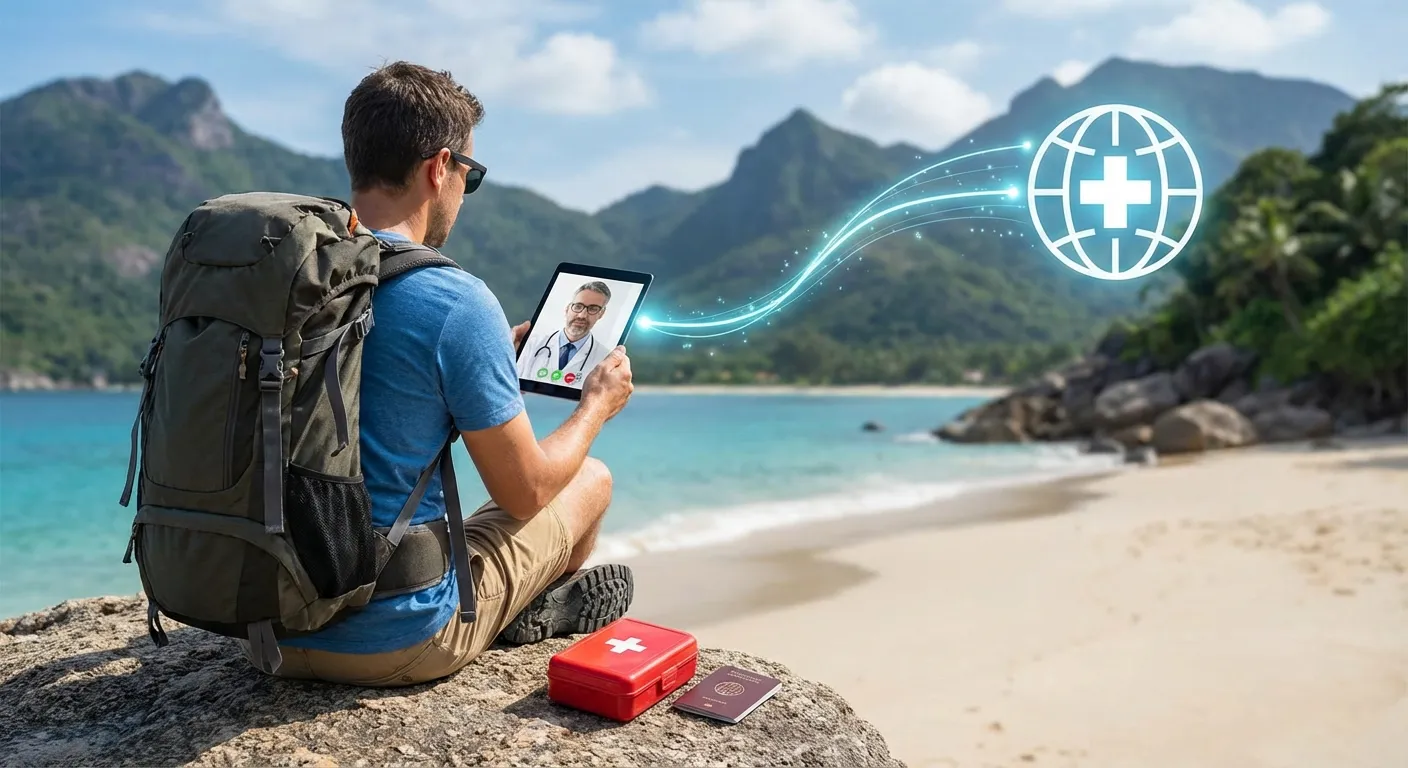
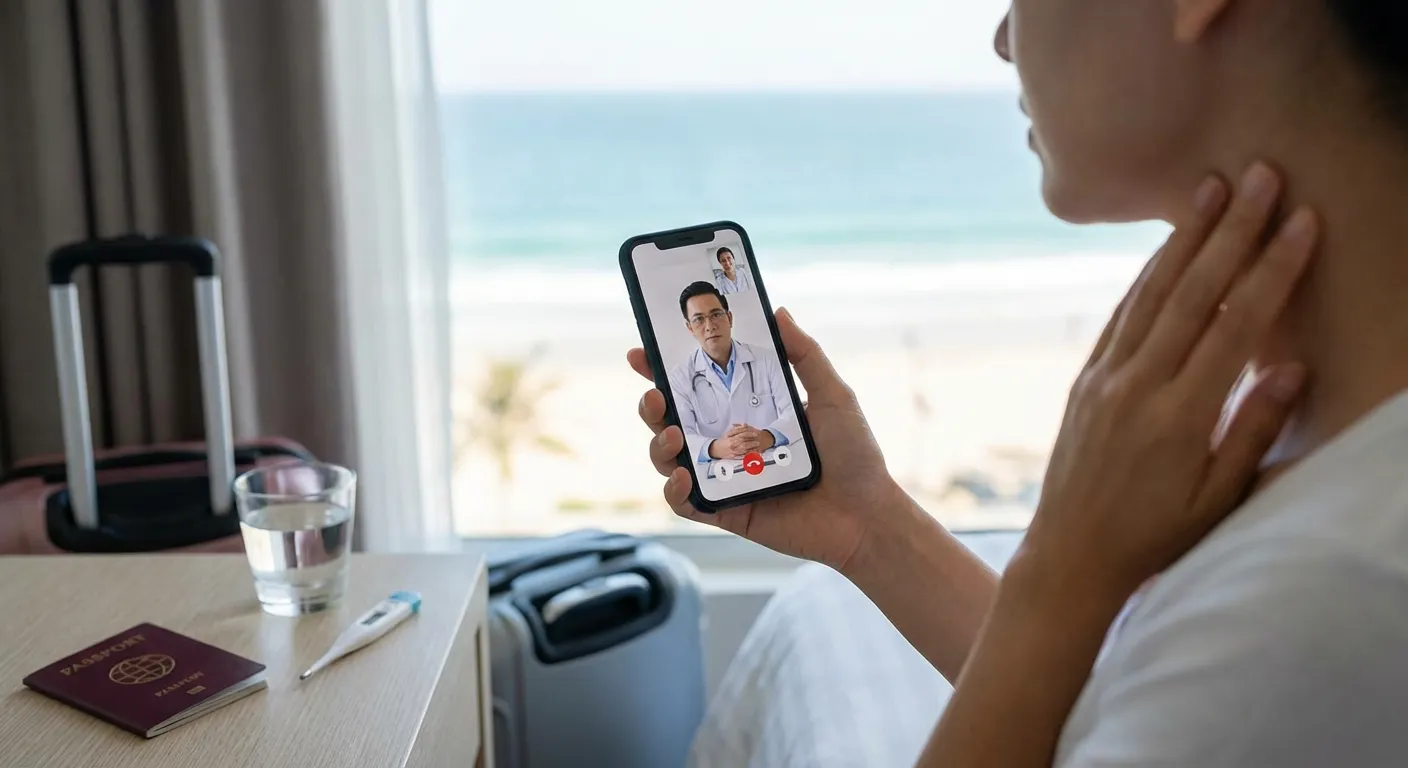
- Telemedicine: UrgentDoc online consultations provide the fastest access to English-speaking doctors, with e-prescriptions sent to any Spanish pharmacy
For a detailed guide, read what to do if you get sick while travelling in Spain.
🔹 9. Look After Your Mental Health
Travel can be mentally taxing — jet lag, unfamiliar environments, homesickness and disrupted routines all take a toll. The WHO recognises travel-related stress as a significant health concern.
To maintain mental wellbeing while travelling:
- Maintain regular sleep schedules as much as possible
- Stay connected with family and friends at home
- Limit alcohol consumption
- Take breaks from a packed itinerary
- Practise relaxation techniques — deep breathing, walking, journalling
If you experience anxiety or depression during your trip, UrgentDoc doctors can provide confidential support via video consultation.
🔹 10. Monitor Your Health After Returning Home
Your health vigilance shouldn't end when you fly home:
- Monitor for symptoms for several weeks after return — some infections have long incubation periods
- Seek medical attention if you develop fever, persistent diarrhoea, rash or unexplained fatigue after travelling
- Tell your doctor about your recent travel so they can consider travel-related conditions
- Follow up on any treatment started abroad
❓ Frequently Asked Questions
Do I need vaccinations to visit Spain?
No special vaccinations are required for most visitors to Spain, but ensure your routine vaccinations (MMR, tetanus, flu) are up to date. Check the NHS Fit for Travel page for current advice.
Is Spanish tap water safe to drink?
Yes, tap water is safe across mainland Spain. Some bottled water may taste different due to mineral content, and some remote island areas may have lower-quality tap water.
What should I do if I lose my medication in Spain?
Contact UrgentDoc for an online consultation to get a replacement prescription. Our EU-licensed doctors can issue e-prescriptions valid at any Spanish pharmacy.
Can I use my regular insurance in Spain?
If you have an EHIC/GHIC card, emergency public healthcare is covered. For private care or telemedicine, check with your insurer. Many international travel insurance policies cover telemedicine consultations.
What's the best way to see a doctor in Spain if I don't speak Spanish?
UrgentDoc online consultations are conducted in English (and Spanish) by EU-licensed doctors. It's the fastest option for English-speaking travellers in Spain.
When should I go to an emergency room in Spain?
Call 112 for chest pain, difficulty breathing, severe bleeding, suspected stroke, severe allergic reactions, or any life-threatening condition. For non-emergency concerns, online consultation or a pharmacy visit is usually more appropriate.
🔹 Stay Healthy During Your Trip to Spain
Proper preparation makes all the difference. By following these essential health tips, you can focus on enjoying your time in Spain rather than dealing with preventable health problems.
👉 Book an online consultation with UrgentDoc if you need medical advice before, during or after your trip — EU-licensed doctors, English consultations, e-prescriptions sent to any Spanish pharmacy.