English-Speaking Doctor in Madrid Without a SIP Card
Need an English-speaking doctor in Madrid but don't have a SIP card? Learn how to access private healthcare, get prescriptions, and book online in 24h.
Dr. Daniel Cuenca Leal
Colegiado nº 284627651 · Ilustre Colegio Oficial de Médicos de Madrid
Medically reviewed by Dr. Daniel Cuenca Leal · Updated June 21, 2026
What is a SIP Card (Tarjeta Sanitaria) and Do You Need One?
Getting sick in a foreign country is stressful, but falling ill in Madrid when you don't speak Spanish—and don't have a public health card—can feel overwhelming. Whether you're a tourist, a digital nomad, or a new expat waiting for residency, navigating the Spanish healthcare system requires knowing your options. The good news? Madrid has world-class private healthcare, and you can easily see an English-speaking doctor in Madrid without public health coverage.
Can you see a doctor in Madrid without a SIP card? Yes. If you do not have a SIP card (Tarjeta Sanitaria), you cannot use the public Centros de Salud for free non-emergency care. However, you can access healthcare by visiting a private medical clinic, using an EHIC/GHIC card if eligible, or booking an online telemedicine consultation. Private consultations typically cost between €50 and €150, and doctors can issue valid private prescriptions that are accepted at any Spanish pharmacy.
Expats across Spain often refer to the public health card generically as a "SIP card" (Sistema de Información Poblacional), though in Madrid, it is officially called the Tarjeta de Identificación Sanitaria (TIS).
This card grants residents access to Spain's free public healthcare system, including local health centers (Centros de Salud) and public hospitals. To get one, you must be a registered resident paying social security contributions, a pensioner, or registered under the Convenio Especial (a pay-in public health scheme).
If you are a tourist, an international student, or an expat who hasn't completed their residency paperwork, you will not have a SIP card. Without it, you cannot book a standard appointment at a public health center. However, you still have multiple reliable ways to access an English-speaking doctor in Madrid.
4 Ways to See a Doctor in Madrid Without a SIP Card
If you're sick in Madrid and lack public health coverage, here are your four main options for getting medical care, ranked from the most convenient to the most intensive.
1. Use an Online English-Speaking Doctor (Fastest Option)
For non-emergency conditions like respiratory infections, urinary tract infections, or skin rashes, telemedicine is the fastest and most cost-effective way to get treated.
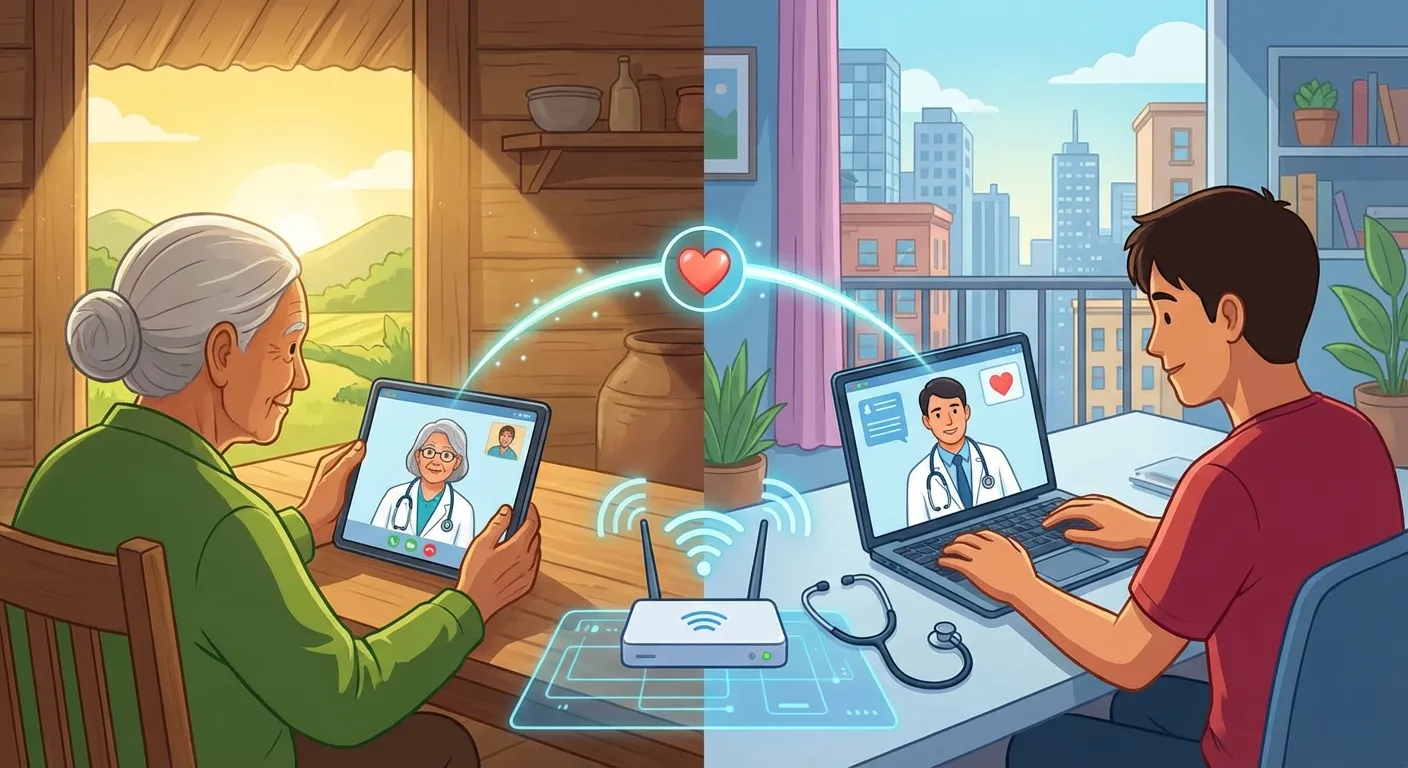
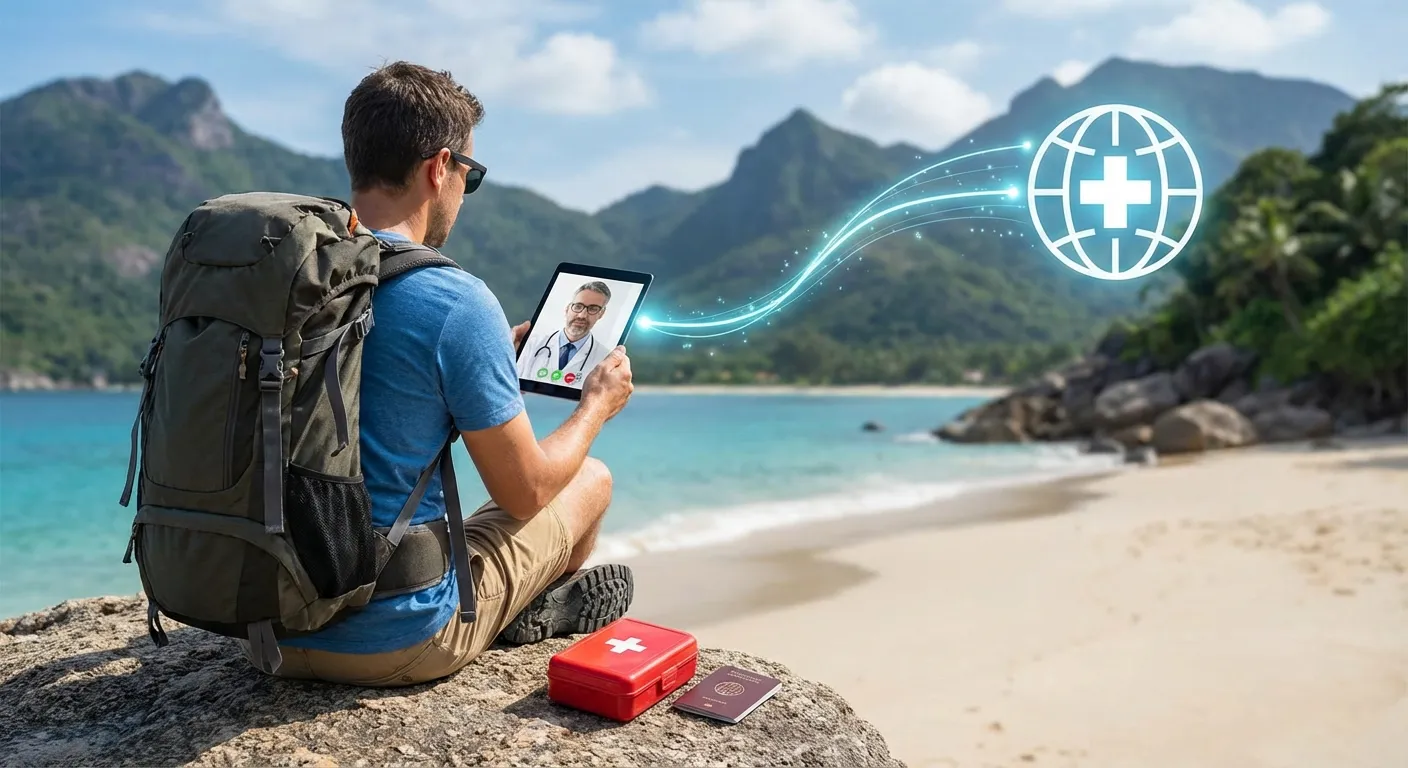
Instead of navigating the Madrid metro while feeling unwell or struggling with a language barrier at a local clinic, you can book an online consultation with an EU-licensed, English-speaking doctor.
Pros:
- No SIP card required: Available to tourists, expats, and non-residents.
- No language barrier: Consultations are fully in English.
- Fast access: See a doctor within minutes, 24/7.
- Valid prescriptions: Doctors issue digital private prescriptions that you can show on your phone at any of Madrid's thousands of farmacias.
2. Visit a Private Clinic (Centro Médico Privado)
Madrid has an extensive network of private hospitals and clinics, such as HM Hospitales, Quirónsalud, and Clínica Universidad de Navarra. These facilities do not require a SIP card; they operate on a pay-out-of-pocket or private insurance basis.
Many private clinics in central Madrid (such as those in the Salamanca or Chamberí neighborhoods) have English-speaking staff, or at least doctors who can communicate in basic English.
Pros: Excellent standard of care and modern facilities. Cons: Out-of-pocket consultations can be expensive (often €100–€150 just to see a general practitioner), and wait times for walk-ins can still be several hours.
3. Use Your EHIC or GHIC (For EU/UK Visitors)
If you are visiting Madrid from another EU country and hold a European Health Insurance Card (EHIC), or you are from the UK and hold a Global Health Insurance Card (GHIC), you are entitled to medically necessary state-provided healthcare on the same basis as a Spanish citizen.
According to the UK Government's guidance on healthcare in Spain, you can use your GHIC at any public Centro de Salud or public hospital (such as Hospital Universitario La Paz or Hospital General Universitario Gregorio Marañón).
Pros: Free or heavily subsidized care. Cons: The public system operates almost entirely in Spanish. Finding an English-speaking doctor in a public Centro de Salud is a matter of luck, not a guarantee.
4. Go to the Emergency Room (Urgencias)
In a true medical emergency, Spain's public hospitals will treat anyone, regardless of their residency status, nationality, or whether they have a SIP card. Emergency rooms are called Urgencias.
The U.S. Embassy in Spain advises that while public hospitals provide excellent emergency care, they will bill non-residents for the treatment if they do not have an EHIC/GHIC or valid travel insurance.
Pros: Life-saving care is never denied. Cons: Long wait times for non-life-threatening issues (often 4-6 hours), language barriers, and you will be billed later if you lack coverage.
How to Get a Prescription in Madrid Without a SIP Card
A common misconception is that you need a public health card to buy prescription medication in Spain. This is false.
While a SIP card allows residents to get subsidized medication (where the state pays a percentage of the cost), anyone can buy medication at a Spanish pharmacy using a private prescription.
If you see a private doctor or use an online telemedicine service, they will issue a private prescription (receta médica privada). You simply take this digital or paper prescription to any pharmacy (look for the illuminated green cross). You will pay the full retail price for the medication, but in Spain, drug prices are heavily regulated and generally very affordable. For example, a standard course of antibiotics typically costs between €5 and €15.
Note: Spanish pharmacists are highly trained and can dispense some medications over-the-counter that might require a prescription in your home country. However, they strictly enforce prescription rules for antibiotics, strong painkillers, and allergy medications.
What to Do for Common Travel Illnesses in Madrid
If you're dealing with a common travel illness, you likely don't need to spend hours in a waiting room. Here is how to handle the most frequent health issues expats and tourists face in Madrid.
Urinary Tract Infections (UTIs)
UTIs are incredibly common, especially during Madrid's hot summer months when dehydration is a risk. Spanish pharmacies will not dispense antibiotics for a UTI without a doctor's prescription.
Instead of waiting for a clinic appointment, you can use an online doctor to get UTI medication prescribed quickly. The doctor will assess your symptoms and send a prescription directly to your phone, allowing you to pick up antibiotics at a nearby pharmacy within the hour.
Traveller's Diarrhea and Food Poisoning
Tapas are a highlight of visiting Madrid, but changes in diet can sometimes lead to stomach upset. According to the CDC's travel health guidelines for Spain, food and water standards are excellent, but traveler's diarrhea can still occur.
Most mild cases resolve with hydration (ask the pharmacy for suero oral, an oral rehydration salt). If symptoms persist for more than 48 hours or are accompanied by a high fever, you should consult an English-speaking doctor to see if you need prescription treatment.
Respiratory Infections (Cold, Flu, COVID)
If you catch a severe cold or the flu while navigating Madrid's crowded metro system, your first stop should be the pharmacy for symptom relief (ibuprofen, paracetamol, and decongestants are available over-the-counter).
If you develop a persistent cough, sinus pain, or suspect a bacterial infection, you can consult an online doctor for cold and flu treatment to determine if you need prescription-strength medication or an inhaler.
💬 Frequently Asked Questions (FAQ)
Can a tourist go to a hospital in Madrid?
Yes. In a medical emergency, tourists can go to any public hospital's Urgencias (emergency room) or a private hospital. Public hospitals will treat you immediately but will bill you later if you do not have an EHIC/GHIC or travel insurance.
Do doctors in Madrid speak English?
In the public healthcare system, English-speaking doctors are rare, and consultations are conducted in Spanish. In the private sector, many doctors speak English, especially in clinics catering to expats. Telemedicine platforms like UrgentDoc specifically guarantee an English-speaking doctor.
How much does it cost to see a private doctor in Madrid?
A standard consultation with a private general practitioner in Madrid typically costs between €50 and €150. Specialist consultations can cost more. Online video consultations are generally more affordable, often starting around €35–€40.
Can I get antibiotics over the counter in Spain?
No. Spanish law strictly prohibits pharmacies from dispensing antibiotics without a valid doctor's prescription. You must consult a doctor (either in-person or online) to get an antibiotic prescription.
What is the emergency number in Madrid?
The general emergency number in Spain (and all of the EU) is 112. Operators can usually speak English and will dispatch an ambulance (ambulancia) if necessary.
Will my US health insurance work in Madrid?
Standard US health insurance (like Medicare or Medicaid) does not cover medical care in Spain. Some premium private US insurance plans offer international reimbursement, but you will usually need to pay upfront in Madrid and file a claim later. Always check your policy or purchase dedicated travel insurance.
Get Care Today with UrgentDoc
Don't let illness ruin your time in the Spanish capital. If you need an English-speaking doctor in Madrid but don't have a SIP card, UrgentDoc is here to help.
Our EU-licensed doctors are available 24/7 via video consultation. We can diagnose your condition in English, provide medical advice, and issue valid private prescriptions that you can use at any pharmacy in Madrid.
Book an online consultation now and get the care you need from the comfort of your hotel or apartment.
Disclaimer: This article is for informational purposes only and does not replace professional medical advice. If you are experiencing a life-threatening emergency, call 112 or go to the nearest hospital emergency room immediately.