What to Do If You're Sick Before an International Flight: Your Complete Action Plan
Got sick before your flight? Learn when you should cancel, airline policies, whether you can still fly, how to get medical documentation, and how travel insurance protects you.
Dr. Sophie Bennett
Medical Professional

Need a Medical Certificate?
Get your official medical certificate online from licensed Spanish physicians. Fast, secure, and delivered to your email.
What to Do If You're Sick Before Your International Flight
Getting sick right before your international flight is one of travel's worst nightmares. You've planned, booked, arranged time off work—and suddenly you have fever, a persistent cough, or flu symptoms. The critical question: should you cancel, postpone, or push through and fly?
The honest answer is: it depends. But there's a logical framework for making this decision that protects both your health and your financial investment.
The Key Decision: Can You Fly, Should You Fly, and Will Airlines Let You Fly?
These are three separate questions with different answers.
Can You Medically Fly? What Doctors Look For
From a purely medical perspective, most acute illnesses won't prevent you from flying—but that doesn't mean you should. Airlines and aviation medicine distinguish between "can fly" and "safe to fly."
You should NOT fly if you have:
Active, contagious respiratory infections (COVID-19, influenza, measles, severe cough with high fever): These pose direct health risks to other passengers and crew. Airlines explicitly refuse passengers with confirmed communicable diseases or symptoms suggesting active infection.
High fever with chills and systemic symptoms: A fever above 38.5°C (101°F) combined with weakness, body aches, or difficulty concentrating indicates your body is fighting infection. Flying under these conditions stresses your immune system when it's already compromised.
Severe productive cough, respiratory distress, or difficulty breathing: Cabin pressurisation and altitude reduce oxygen availability. If your lungs are already compromised, flying risks serious in-flight deterioration.
Vomiting or severe diarrhoea within 24 hours: You're likely contagious (viral gastroenteritis), and cabin confinement creates risks for both you and others.
Chest pain, severe shortness of breath, or symptoms suggesting cardiac issues: These require immediate medical evaluation. Flying could be dangerous.
Untreated or poorly managed chronic conditions: If your condition is unstable, air travel stress could trigger complications.
You might be able to fly with:
Common cold with mild symptoms (runny nose, mild cough, mild sore throat, no fever): While unpleasant, this typically doesn't prevent flying. However, cabin air pressure changes affect sinus and ear function—expect discomfort.
Mild fever (under 38°C/100.4°F) with no other systemic symptoms: This often indicates early infection your body is fighting off. If you feel otherwise well and symptoms are localised (sore throat, mild cough), flying may be feasible—though rest is better.
Post-surgical recovery (beyond the critical window): More than 14 days post-surgery typically allows safe flying for most procedures, assuming no complications.
Stable chronic conditions: Well-controlled diabetes, asthma, or hypertension shouldn't prevent flying; in fact, many people with these conditions fly regularly.
Will the Airline Let You Fly?
This is where airline policies become critical. Even if you're medically able to fly, airlines can refuse boarding based on their policies.
Major airlines explicitly require medical clearance or deny boarding for:
COVID-19 symptoms without recent negative test: Most major carriers (British Airways, United, KLM, Lufthansa, etc.) require either a negative COVID-19 test dated within 24 hours or medical documentation that you're not experiencing COVID-19 symptoms. Qantas specifically requires a negative test or doctor's clearance if you have symptoms.
Symptoms of communicable diseases (severe cough, high fever, obvious illness): Flight attendants can refuse boarding if they reasonably believe you pose a health risk to others. Airlines train crew to identify obviously unwell passengers—if you look or sound very sick, expect to be challenged at the gate.
Untreated or uncontrolled conditions: Conditions listed on the airline's "Travel Clearance Form" require medical documentation before boarding. These typically include:
- Respiratory conditions with current symptoms
- Cardiovascular conditions with active symptoms
- Neurological conditions with active seizures or instability
- Infectious diseases or contagious conditions
Medical Non-Fit to Fly designations: Once a doctor formally designates you as "unfit to fly" on an official travel clearance form, airlines won't accept you.
Important Distinction: Most airlines don't actively screen for every illness. They rely on gate agents and flight attendants making subjective judgements. You could theoretically board while mildly sick if you don't appear severely unwell. However:
- If asked directly, lying is fraud and voids insurance
- If you deteriorate in-flight, the airline can divert, leaving you responsible for costs
- If you subsequently need medical care related to your pre-flight illness, insurance claims can be denied for "knowingly travelling while unfit"
The smartest approach: be honest with airlines if you're genuinely concerned about your fitness to fly. They may require medical clearance, which actually protects you legally and insurance-wise.
Timeline: When to Make the Decision
The timing of illness relative to your departure dramatically affects your options.
More Than 7 Days Before Flight: Optimal Window
Your best position: Time to recover, proper medical assessment, clear decision-making.
Action steps:
-
See a doctor immediately: Get a professional medical opinion. This is crucial for several reasons:
- Diagnosis and treatment recommendations
- Medical documentation if you need to cancel
- Baseline assessment of your fitness to travel
- Expert guidance on whether flying is advisable
-
Notify your airline: Contact them directly (not just via email) and explain your situation. Many airlines offer:
- Free rebooking to a later date (often up to 30 days out)
- No change fees for medical reasons
- Potential refund if you have cancellation insurance
-
Get medical documentation: Ask your doctor for a letter specifically stating whether you're fit to travel. Include:
- Diagnosis
- Current symptoms
- Recommended travel timeline
- Any restrictions or recommendations
-
Review your travel insurance: Check whether you have cancellation coverage and whether this illness qualifies. Most policies require:
- Medical treatment obtained before cancellation decision
- Doctor's recommendation that travel isn't advisable
- Written medical documentation
3-7 Days Before Flight: Compressed Decision Window
Your position: Recovery may or may not be complete. Pressure builds to decide.
Action steps:
-
Medical consultation remains essential: Don't skip this. A telehealth video consultation (which takes 10-15 minutes) is sufficient if you can't see your regular doctor.
-
Get rapid medical documentation: If cancelling is likely, request the doctor issue fitness-to-fly documentation immediately. Many private telehealth providers can provide this same-day.
-
Contact airline urgently: Call them directly (don't rely on online chat). Explain your situation and ask about:
- Rebooking options with medical documentation
- Refund policies for documented illness
- Whether a medical clearance could allow your flight to proceed
-
Assess your actual condition: Be brutally honest:
- If you're improving significantly, you might risk the flight
- If you're worsening or not improving, cancel
- If you're stable but uncomfortable, weigh the risks
-
Document everything: Save all medical communications, doctor notes, and airline conversations. Screenshot emails and note call times/representatives.
24-48 Hours Before Flight: Critical Window
Your position: Recovery time is minimal. Pressure is maximum.
Action steps:
-
Immediate medical consultation: Telehealth appointment right now. This isn't optional. You need professional assessment and documentation.
-
Decision protocol:
- If doctor says "you're unfit to fly": Contact airline immediately. Provide medical documentation. Claim cancellation on insurance.
- If doctor says "I don't recommend flying, but it's technically possible": You face a risk-benefit analysis. Consider:
- Flight duration (shorter flights are lower risk)
- Your ability to rest on the flight
- Destination healthcare if you deteriorate
- Financial loss vs. health risk
- If doctor says "you're fine to fly": Get this in writing. You can proceed with lower risk.
-
Insurance check: Verify your policy covers cancellation for this specific scenario. Some policies require "medically unfit to fly" designation—not just "not recommended."
-
Backup travel if needed: Have airline contact information, alternative flight numbers, and rebooking policies ready.
Less Than 24 Hours Before Flight: Emergency Scenario
Your position: Minimal options. Usually too late for refunds or rebooking without fees.
Action steps:
-
Decide immediately: Can you fly or not?
- Very high fever (39°C+), severe symptoms → Don't go to airport
- Mild symptoms, improving → Proceed carefully
- Unclear → Urgent telehealth consultation now
-
If you're not going:
- Contact airline immediately by phone
- Explain you have medical symptoms
- Request documentation requirements
- Don't just miss the flight
- Get written confirmation of cancellation
-
If you are going:
- Bring medication and comfort items
- Stay hydrated
- Get an aisle seat if possible (easier to move around)
- Inform flight attendants you're recovering from illness
- Plan extra rest at destination
-
Insurance implications: Without advance medical clearance, claiming cancellation insurance is difficult. Most policies require pre-travel medical documentation. However, if you deteriorate on the flight and need medical intervention, emergency medical coverage typically applies.
Getting Medical Documentation for Flight Cancellation
This is the document that changes everything. With it, you can cancel guilt-free and claim insurance. Without it, you're often on the hook financially.
What Constitutes Valid "Unfit to Fly" Documentation?
Not every doctor's note qualifies. Airlines and insurance companies require specific language.
Valid documentation includes:
Doctor's statement explicitly stating you are "medically unfit to fly": This is the magic phrase. It means the doctor is making a professional medical judgment that flying would be inadvisable or dangerous.
Medical certificate from airline-approved medical services: If your airline has a specific travel clearance form (most international carriers do), having that form completed by a registered medical practitioner carries maximum weight.
Quarantine order from local health authority: If you've been ordered to quarantine due to COVID-19, measles, or another communicable disease, this is ironclad documentation. Insurance will cover cancellation.
Hospital discharge papers with travel restrictions: If recently hospitalized, discharge paperwork noting you shouldn't travel until specific date is valid documentation.
Doctor's letter specifically addressing flight fitness: Should include:
- Your diagnosis
- Relevant symptoms affecting flight safety
- Medical judgment that flying is not recommended
- Recommended timeline for safe travel
- Doctor's contact information and credentials
Invalid Documentation (Insurance Won't Accept)
Casual statements like "you should rest": This is advice, not medical judgment about fitness to fly.
"You might feel uncomfortable flying": This suggests flying is possible, just unpleasant. Insurance needs "not advisable" or "unfit."
Prescriptions or over-the-counter medication recommendations: These don't constitute fitness-to-fly assessment.
Vague or unsigned notes: Documentation must be on official letterhead with doctor's name, credentials, and signature.
How to Get Valid Documentation
From Traditional GPs:
- Call your practice immediately and explain the situation
- Request an urgent telephone consultation
- Ask specifically for "documentation of fitness to fly assessment"
- Many practices charge €20-40 for this service
- Allow 24-48 hours for written documentation
From Telehealth Services:
- Same-day video consultation available
- Costs typically €25-50
- Many offer same-day document delivery via email
- Specifically request "unfit to fly" certification for insurance purposes
- Popular UK providers: DoctorNow, Doctor-on-Demand, easyHealth
From Urgent Care Clinics:
- Walk-in availability in many towns
- Faster than GP practices
- Can usually provide documentation same-day
- Costs typically €40-80
- Ensure the provider is GMC-registered (searchable online)
From Private Travel Medicine Clinics:
- Specialise in travel-related medical assessments
- Most familiar with airline requirements
- Often have relationships with major airlines' medical departments
- Costs typically €50-100
- Fastest route to credible documentation
Travel Insurance: Your Financial Protection
Travel insurance is the difference between losing €500 and losing nothing when you get sick before a flight.
What Travel Insurance Actually Covers
Trip cancellation due to illness (before travel):
- Typical coverage: up to €5,000-€10,000
- Usual requirements:
- Illness must prevent you from travelling (not just make it uncomfortable)
- Medical evidence required (doctor's letter)
- Policy must be purchased before illness occurs
- Typically covers flights, accommodation, tours, and pre-paid costs
Important caveat: Pre-existing conditions are often excluded unless declared when purchasing. If you had a known health condition before booking, check whether it was covered.
Emergency medical expenses during travel:
- Typical coverage: up to €10,000,000 (varies by policy)
- Covers medical treatment at your destination
- Covers evacuation/repatriation if needed
- Usually covers hospital costs, specialist treatment, medication
Trip curtailment (cutting short a trip already started):
- Covers unused portions of holidays if you need to return home due to illness
- Typically also covers emergency return flights
Travel delay caused by illness:
- Covers accommodation and meals if you're delayed more than 12-24 hours
- Typical coverage: €100-200 per night
What Travel Insurance DOESN'T Cover
Cancellations without medical documentation: If you just "don't feel like going," there's no cover. You must have a doctor's letter.
Pre-existing conditions (usually): Unless specifically declared and accepted by the insurer.
Travel by unvaccinated traveller: Some policies exclude claims if you're required to be vaccinated by destination country but aren't.
High-risk activities: Extreme sports often require additional premiums.
Claims made after cancelling without notifying insurer: Always contact your insurer before deciding to cancel.
Claiming Travel Insurance for Flight Cancellation Due to Illness
Process:
- Keep all medical documentation: GP letters, test results, prescription records
- Notify insurer immediately: Don't wait until after rebooking
- Provide airline confirmation: Show that you attempted to use the flight or cancelled it
- Submit claim within time frame: Usually 30-90 days; check your policy
- Include all receipts: Ticket booking confirmation, any refund offers, cancellation fees
Timeline: Insurance companies typically respond within 2-4 weeks. They may request additional information or contact your doctor directly.
What if you didn't have insurance?: You're generally not entitled to refund from the airline unless you have a medical certificate that proves you were medically unfit to fly. Most airlines will offer a rebooking without penalty if you provide doctor's documentation.
Practical Tips If You're Sick Close to Your Flight
If You're Flying Anyway (With Mild Illness)
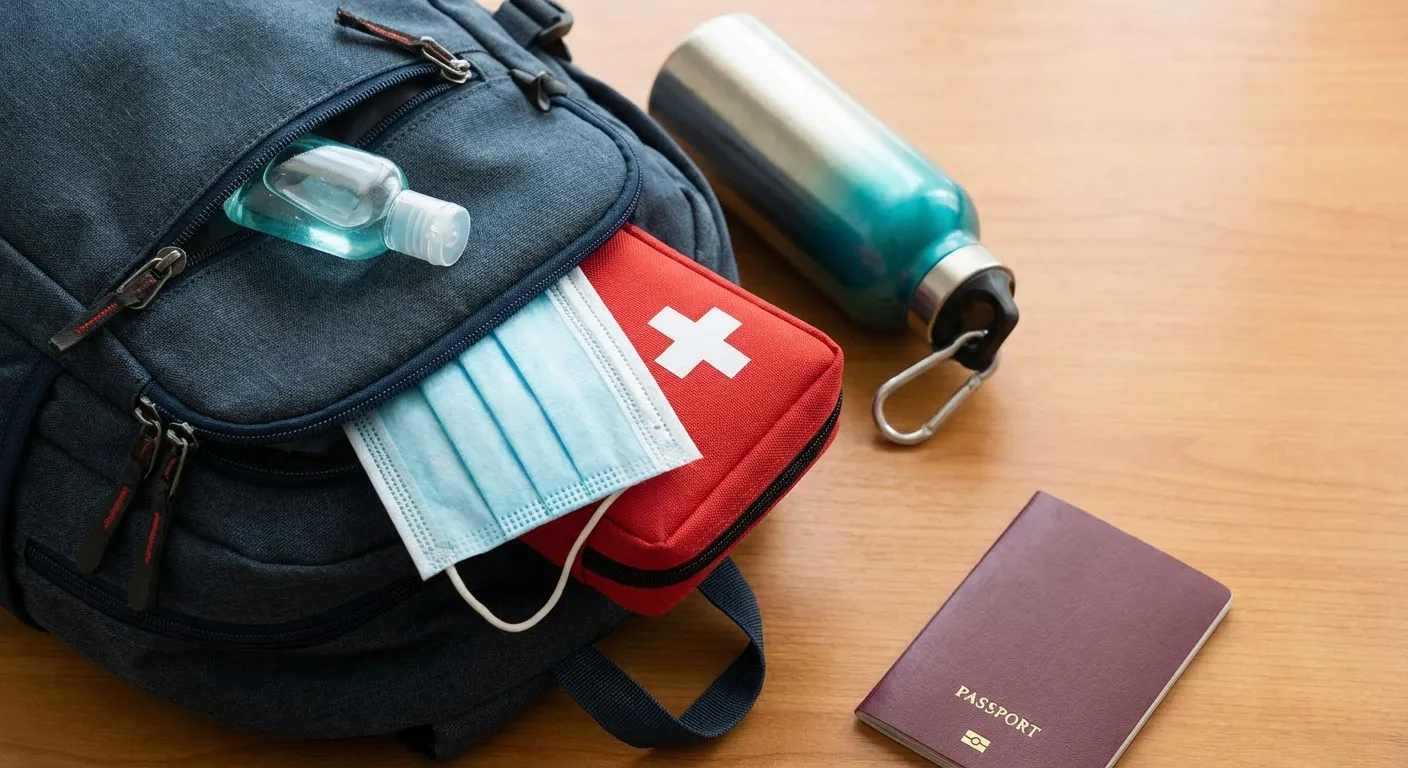
Pack strategically:
- Over-the-counter pain relief (paracetamol, ibuprofen)
- Throat lozenges and cough drops
- Decongestants (helpful 30 minutes before takeoff to equalise ear pressure)
- Tissues and hand sanitiser
- Water bottle (fill after security to stay hydrated)
- Comfortable, loose clothing
- Neck pillow for better rest
Manage ear pressure:
- Take a decongestant 30 minutes before takeoff
- Chew gum during ascent and descent
- Try the Valsalva manoeuvre (pinch nose, close mouth, gently push air against closed airway to equalise pressure)
- Avoid sleeping during pressure-sensitive times (takeoff/landing)
Respiratory considerations:
- Wear a mask to protect others (ethically important)
- Sit on the aisle if possible (easier to move, get water, use bathroom)
- Stay hydrated—cabin air is very dry
- Avoid alcohol and caffeine (both worsen dehydration)
- Get up and walk every 2-3 hours to prevent blood clots
Symptom management:
- Sleep as much as possible
- Avoid heavy meals
- Take medications on schedule
- Consider compression socks to prevent DVT
- Avoid excessive activity at destination—prioritise rest
If You're Postponing Your Flight
Rebooking:
- Contact airline within 24 hours
- Ask about medical rebooking policies (most allow free changes up to 30 days)
- Request alternative dates flexible to your recovery
- Get confirmation email of new flight details
- Confirm any change fees have been waived
Cancellation considerations:
- If you can't travel at all, activate insurance
- Provide medical documentation to airline
- Keep records of all communications
- Request written confirmation of cancellation
- Ask explicitly about refund eligibility
Recovery planning:
- Follow doctor's advice on when it's safe to travel
- Generally, wait until fever is gone and symptoms are improving
- Plan your recovery timeline conservatively
- Remember that flying while recovering stresses your healing
When You Definitely Should NOT Fly
Be very clear about these scenarios—flying is genuinely risky:
High fever (38.5°C+) with systemic symptoms: Your immune system is actively fighting infection. Flying adds stress and risks complications.
Productive cough, difficulty breathing, chest pain: These need urgent medical evaluation before air travel.
Active COVID-19, flu, or other confirmed communicable disease: Both ethically and medically, you shouldn't fly. Airlines will deny boarding.
Recent surgery (within 2 weeks): Blood clot risk is highest. Flying too soon can be dangerous.
Severe diarrhoea or vomiting in past 24 hours: You're contagious and at risk of severe dehydration mid-flight.
Symptoms worsening despite treatment: This suggests your condition needs escalation, not international travel.
Doctor explicitly recommends against travel: Follow professional medical advice.
Key Takeaways
- Get medical advice immediately: Whether you decide to fly or cancel, professional assessment is essential for both your health and insurance purposes
- Documentation is currency: An "unfit to fly" letter from a doctor changes everything financially and legally
- Airlines have final say: Even if you're medically cleared, airlines can refuse boarding if you appear very unwell
- Travel insurance is crucial: It transforms a potential financial loss into a manageable situation—but only if purchased before illness
- 24-48 hours before is your critical decision window: After that, options narrow significantly
- When in doubt, postpone: Your health recovery and the safety of fellow passengers matter more than keeping your original flight date
- Telehealth can be your friend: Same-day medical consultations and documentation from telehealth providers make cancellation decisions faster and easier
Flying while genuinely sick isn't noble—it's risky, potentially contagious, and often financially unnecessary if you have proper insurance. When illness strikes days before your international flight, view it as an opportunity to recover properly rather than a reason to push through. Your future self will appreciate it.