BV Treatment in Spain: Metronidazole Guide for 2026
Pharmacies in Spain cannot sell metronidazole or any BV medicine without a prescription. Our licensed doctors offer video consultations from €39.
Dr. Daniel Cuenca Leal
Colegiado nº 284627651 · Ilustre Colegio Oficial de Médicos de Madrid
Medically reviewed by Dr. Daniel Cuenca Leal · Updated October 27, 2026

Can you buy BV treatment over the counter in Spain?
Quick answer: No. In Spain, every medicine licensed to treat bacterial vaginosis (BV)—including metronidazole tablets and ovules, clindamycin cream and ovules, and dequalinium tablets—is prescription-only. You cannot buy them over the counter at a Spanish pharmacy (farmacia). If you have symptoms, you must be evaluated by a doctor to receive a legal prescription before a pharmacist can dispense your treatment.
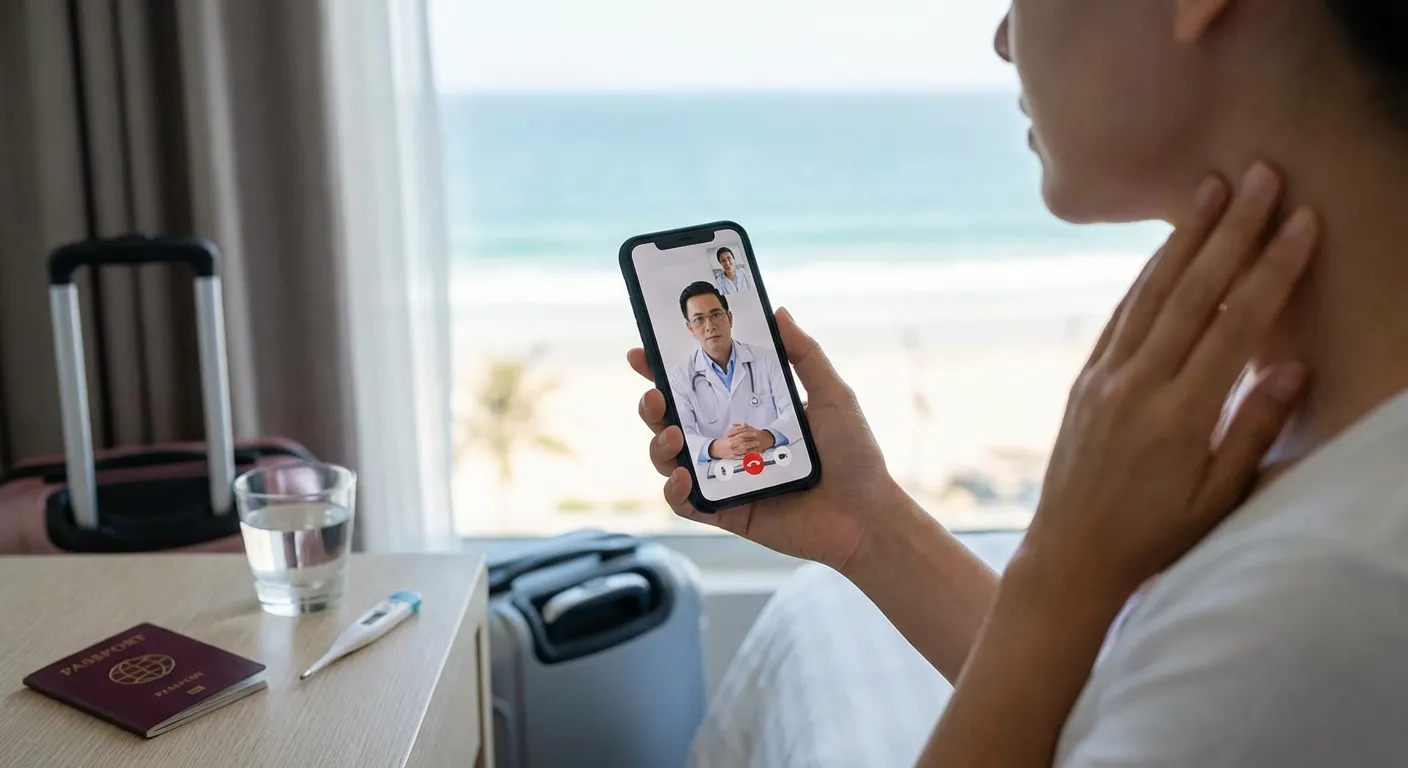
To get the right care without navigating the public healthcare system or waiting in queues, you can see a doctor online about an antibiotic prescription in Spain. Our licensed doctors conduct a video consultation to review your symptoms and medical history. If the doctor decides a medicine is appropriate, you receive a private prescription through Spain's REMPe e-prescription system, which you show as a QR code at the pharmacy. The pharmacist checks the prescription before dispensing the medicine, and you pay for the medicine at the pharmacy, separately from the consultation.
Medical disclaimer: This article is for informational purposes only and does not replace professional medical evaluation, diagnosis, or treatment. Always speak to a healthcare professional about your symptoms, especially if you are pregnant, experiencing severe discomfort, or uncertain whether your symptoms are caused by bacterial vaginosis or another infection.
The following table compares the typical routes for addressing vaginal discharge symptoms while in Spain:
| Setting | Wait | What you pay | Language | What you can get |
|---|---|---|---|---|
| Pharmacy (farmacia), no appointment | None | Product price | Varies | Non-prescription products only; no medicine licensed to treat BV [1] |
| Public health system (centro de salud) | Varies | Varies | Varies | Public prescription if the doctor decides |
| Private clinic | Varies | Clinic fee | Varies | Private prescription if the doctor decides |
| UrgentDoc video consultation | A time you book online | From EUR 39; medicine paid at the pharmacy | English | Private prescription through REMPe, shown as a QR code, if the doctor decides it is appropriate; no examination or swab tests |
Which BV medicines are sold in Spain, and do they need a prescription?
In Spain, every medicine licensed to treat bacterial vaginosis—metronidazole and tinidazole tablets, metronidazole vaginal ovules, clindamycin vaginal cream and ovules, and dequalinium vaginal tablets—is classified as prescription-only ("Medicamento Sujeto A Prescripción Médica") in CIMA, the Spanish medicines agency's database, so a pharmacy cannot sell it to you without a prescription [1].
Many travellers ask pharmacists for non-prescription options. Two non-prescription vaginal capsules containing lactobacilli, Intibiotics Vaginal and Muvagyn, mention BV on their Spanish labels, but they are licensed to restore the vaginal flora after antibiotic treatment of BV, and to maintain a normal flora in recurrent vaginal infections—not to treat BV itself [1].
The table below details the official regulatory status and indications of BV medications listed in the Spanish medicines agency (AEMPS) CIMA database:
| Product (Spanish name) | Active ingredient | Form | Prescription in Spain? | What the Spanish label says it is for |
|---|---|---|---|---|
| Metronidazol 250 mg comprimidos EFG | metronidazole | tablets | Yes | bacterial vaginosis, among other infections [2] |
| Tricolam | tinidazole | tablets | Yes | "non-specific vaginitis caused by Gardnerella vaginalis" (an older name for BV), among other infections [1] |
| Intizol vaginal 1.000 mg óvulos | metronidazole | vaginal ovule (pessary) | Yes | bacterial vaginosis in adult women [1] |
| Dalacin 20 mg/g crema vaginal | clindamycin 2% | vaginal cream | Yes | bacterial vaginosis in women over 16, and in the second and third trimesters of pregnancy [3] |
| Dalacin 100 mg óvulos and Clindamicina Aristo 100 mg óvulos | clindamycin | vaginal ovules | Yes | bacterial vaginosis [1] |
| Fluomizin 10 mg comprimidos vaginales | dequalinium chloride | vaginal tablets | Yes | bacterial vaginosis [1] |
| Flagyl 250 mg comprimidos and Flagyl 500 mg comprimidos vaginales | metronidazole | tablets; vaginal tablets | Yes | trichomonas and other infections; BV not listed [1] |
| Rozex 7,5 mg/g gel and Metronidazol Viñas 7,5 mg/g gel | metronidazole 0.75% | skin gel | Yes | rosacea on the skin—not a vaginal product [1] |
| Intibiotics Vaginal and Muvagyn | lactobacilli | vaginal capsules | No | restoring the vaginal flora after antibiotic treatment of BV; maintaining a normal flora in recurrent vaginal infections—not a BV treatment [1] |
Can you buy metronidazole in Spain without a prescription?
If you find yourself searching for metronidazole in Spain or asking "can I buy metronidazole over the counter?", the legal answer is straightforward: every metronidazole product marketed in Spain requires a medical prescription [1]. Solutions of metronidazole for infusion are strictly classified for hospital use (Uso Hospitalario) [1].
Patients familiar with UK treatments often look for topical gels. However, the 0.75% metronidazole gels sold in Spain, Rozex and Metronidazol Viñas, are prescription-only skin gels licensed for rosacea, not vaginal products; no metronidazole gel for vaginal use is marketed in Spain [1].
Furthermore, brand names familiar to UK and Irish travellers can have different indications in Spain. Flagyl, a metronidazole brand in Spain, is prescription-only, and the Spanish labels of Flagyl tablets and Flagyl vaginal tablets list trichomonas and other infections but not bacterial vaginosis [1].
If you are speaking to a healthcare professional or pharmacist, knowing the local terminology is helpful. In Spanish, bacterial vaginosis is "vaginosis bacteriana", metronidazole is "metronidazol", clindamycin is "clindamicina" and vaginal thrush is "candidiasis vulvovaginal" [1].
Is it BV or thrush, and why does it matter at a Spanish pharmacy?
When unusual vaginal discharge appears, distinguishing between bacterial vaginosis and vaginal thrush (candidiasis vulvovaginal) is essential. The two conditions have different underlying causes and require completely different treatments [4]. The World Health Organization (WHO) notes that metronidazole is indicated for BV and trichomonas, while antifungal medicines are indicated for candidiasis (thrush) [4].
The difference matters acutely at a Spanish pharmacy counter due to legal availability. Some vaginal thrush treatments are sold without a prescription in Spain—Gine-Canesten (clotrimazole) vaginal tablets, capsule and creams, and Lomexin (fenticonazole) vaginal capsules—while every fluconazole capsule, the thrush medicine taken by mouth, needs a prescription [1]. In contrast, no medicine licensed to treat BV can be bought without a prescription [1].
The table below outlines common clinical features to help differentiate between the two conditions:
| Feature | Bacterial Vaginosis (BV) | Vaginal Thrush |
|---|---|---|
| Discharge | thin, watery, greyish-white [5] | white, often like cottage cheese [6, 7] |
| Smell | strong fishy smell, particularly after sex [5] | does not usually smell [6, 7] |
| Itching | does not usually cause soreness or itching [5] | itching and irritation around the vulva and vagina [6] |
| Without a prescription in Spain? | no medicine licensed for BV [1] | some vaginal products, such as Gine-Canesten and Lomexin [1] |
In the UK, a GP or sexual health clinic will want to confirm it is BV and rule out an STI [5]. If you mistakenly purchase an over-the-counter thrush treatment for BV symptoms, it will not resolve a bacterial infection. The Spanish leaflet for Gine-Canesten says to see a doctor if symptoms get worse or last more than 3 days, or if the discharge increases or changes in appearance or smell [1].
Additionally, treating one condition can sometimes trigger the other: vaginal clindamycin can lead to an overgrowth of fungi [3], and taking antibiotics can trigger thrush by disturbing normal bacterial balances [6]. If your symptoms feature itching or white, curdy discharge rather than a fishy odor, read our guide to yeast infection (thrush) symptoms and treatment in Spain. If it is your first episode, if symptoms persist, or if you prefer an evaluation, you can book an online thrush consultation.
What can UK and Irish visitors buy at home compared with Spain?
Visitors from the UK and Ireland are often surprised to learn that dispensing rules differ across jurisdictions.
In the UK, BV is usually treated with antibiotic tablets, gels or creams prescribed by a GP or sexual health clinic, and antifungal medicine for thrush can be bought from pharmacies if you have had thrush diagnosed before [5, 6].
In Ireland, you can buy some antifungal creams and pessaries for thrush from a pharmacist without a prescription, and pharmacists can also prescribe some antifungal medicines through the Common Conditions Service, for a charge [7]. For BV, the HSE's antibiotic prescribing guidance for GPs lists metronidazole tablets or clindamycin 2% vaginal cream as first choices [8].
The following table summarises access across the three countries:
| Condition | UK (at home) | Ireland (at home) | Spain |
|---|---|---|---|
| BV treatment | Antibiotic tablets, gels or creams prescribed by a GP or sexual health clinic [5] | HSE guidance for GPs: metronidazole tablets or clindamycin 2% vaginal cream as first choices [8] | Every medicine licensed for BV is prescription-only [1] |
| Thrush treatment | Antifungal medicine from pharmacies if you have had thrush diagnosed before [6] | Some antifungal creams and pessaries from a pharmacist without a prescription; pharmacist prescribing through the Common Conditions Service, for a charge [7] | Without a prescription: Gine-Canesten (clotrimazole) and Lomexin (fenticonazole) vaginal products; prescription-only: fluconazole capsules and generic clotrimazole vaginal products [1] |
Is BV a sexually transmitted infection?
BV is not classed as a sexually transmitted infection (STI), but sex can trigger it or pass it on, and having BV increases your risk of getting an STI [5].
The exact cause of the bacterial imbalance is not fully understood, but it has been associated with factors such as having sex with a new partner or multiple partners [4, 5]. If your partner is a woman or has a vagina, they may also need treatment [5]. For women experiencing repeated episodes of BV, HSE guidance notes that while definitive evidence is limited, concurrent treatment of sexual partners may be considered [8].
However, abnormal discharge can also be a sign of an STI. If your symptoms started after sex with a new partner, a sexually transmitted infection needs to be ruled out, and testing uses a swab of the discharge, so it needs an in-person appointment [5, 8]. If you are concerned about exposure, you can arrange a confidential sexual health consultation to discuss clinical advice and local testing options.
How do you get a BV prescription online in Spain?
When you are away from home, accessing in-person clinics can involve language barriers and prolonged waiting times. UrgentDoc offers an English-language medical service for international visitors and residents in Spain.
Through UrgentDoc, you can see a doctor online about an antibiotic prescription in Spain. The service operates under defined clinical guidelines:
- Consultations are conducted via video with English-speaking licensed doctors, starting from EUR 39.
- The doctor reviews your symptoms, your medical history, whether you are or could be pregnant or are breastfeeding, the medicines you take and any allergies.
- The doctor decides whether a prescription is appropriate, which medicine and the dose. A prescription is never guaranteed: it is the doctor's clinical decision.
- A video consultation cannot examine you or take a swab. If the doctor thinks you need to be examined or tested in person, they will tell you.
- If the doctor decides a medicine is appropriate, you receive a private prescription through Spain's REMPe e-prescription system, which you show as a QR code at the pharmacy.
- The pharmacist checks the prescription before dispensing the medicine, and you pay for the medicine at the pharmacy, separately from the consultation.
What should you know before using metronidazole or clindamycin cream?
Antibiotic treatments carry specific warnings, contraindications, and potential interactions outlined in their official product information.
Metronidazole Precautions
- Alcohol: Spanish product information for metronidazole says not to drink alcohol during treatment and for at least 48 hours after finishing it, because of the risk of a reaction [2]. Concomitant alcohol consumption must also be avoided with vaginal metronidazole ovules (Intizol), as approximately 20% of the dose is absorbed systemically and can cause signs of intolerance such as flushing, rapid heartbeat, nausea, vomiting, headache, and dizziness [1].
- Urine discoloration: Taking metronidazole can cause your urine to turn darker [2].
- Drug interactions: Metronidazole can interact with several medications; always inform the doctor about any other treatments you use, such as warfarin-type anticoagulants or lithium [2].
- Breastfeeding: Spanish product information says metronidazole should not be used while breastfeeding; if treatment is necessary, breastfeeding is stopped [2].
Clindamycin Cream Precautions
- Condoms and barrier contraception: Clindamycin vaginal cream can weaken latex condoms and diaphragms: its Spanish product information advises against sex during treatment and against using these products for 72 hours after the treatment ends [3].
- Other vaginal products: Tampons and vaginal douches should not be used while using clindamycin cream [3].
- Gastrointestinal symptoms: Diarrhoea during or after clindamycin needs a doctor's attention, as it can be associated with antibiotic-related colitis [3]. Caution is recommended if you have inflammatory bowel disease, such as Crohn's disease or ulcerative colitis [3].
Pregnancy Considerations
Spanish product information says metronidazole must not be used in the first three months of pregnancy, and that clindamycin vaginal cream may be used in the second and third trimesters only if the woman's condition clearly requires treatment [2, 3]. BV in pregnancy carries a small chance of complications, such as premature birth or miscarriage, although it causes no problems in most pregnancies [5].
What if BV keeps coming back?
BV often comes back, usually within a few months [5]. For repeated episodes, Irish guidance for GPs says to reconsider the diagnosis, including further examination, and to check for contributing factors such as unprotected sex, vaginal douching and smoking [8]. In recurrent cases, concurrent treatment of sexual partners may also be considered, although definitive evidence remains limited [8].
Daily hygiene habits play a significant role in vaginal health. Vaginal cleansing and douching can increase the risk of BV; the NHS advises washing the genital area with water and plain soap and not using perfumed products, vaginal deodorants, washes or douches [4, 5]. WHO also advises that treatment efficacy is low if not combined with risk-reduction advice, particularly avoiding excessive vaginal cleansing or douching [4].
If you have completed an antibiotic course, two non-prescription vaginal capsules containing lactobacilli, Intibiotics Vaginal and Muvagyn, are licensed in Spain specifically for restoring the vaginal flora after antibiotic treatment of BV and maintaining normal flora in recurrent cases [1].
When should you seek urgent or in-person care?
While bacterial vaginosis is common and does not usually cause severe complications, some symptoms require immediate or in-person medical evaluation:
- Pregnancy: If you are pregnant or could be pregnant, do not attempt to self-treat. See a doctor or midwife in person to assess your symptoms and ensure any medication is clinically suitable [2, 3, 5].
- Severe systemic symptoms: A fever of 38°C or more, pain in the lower abdomen or back, nausea, abundant watery discharge, or vaginal bleeding means you must be seen in person [1]. The Spanish leaflet for Gine-Canesten highlights that these symptoms require a doctor to rule out other conditions [1], and WHO notes that untreated BV can lead to pelvic inflammatory disease [4]. A video consultation cannot perform a physical examination.
- Possible STIs or sores: Symptoms that start after sex with a new partner, or the presence of sores, ulcers, or blisters on or around the vagina, require in-person swab testing to rule out sexually transmitted infections [5, 7, 8].
- Persistent or recurrent symptoms: If your symptoms persist after completing treatment or frequently return, see a doctor in person for a review and examination [1, 8].
- Severe skin reactions: While taking metronidazole, if you notice a spreading rash (often with blisters) or flu-like symptoms accompanied by changes in your skin or mucous membranes, stop the medicine immediately and seek urgent medical care [2]. In an emergency in Spain, call 112.
- Diarrhoea: If you experience diarrhoea during or after using clindamycin, tell a doctor promptly [3].
Frequently Asked Questions
Can I buy metronidazole over the counter in Spain?
No. Every metronidazole product in Spain is classified as prescription-only in the Spanish medicines agency database [1]. The 0.75% metronidazole gels available in Spanish pharmacies are topical skin gels licensed for rosacea, not vaginal treatments [1]. A licensed doctor must review your symptoms before prescribing metronidazole.
What is bacterial vaginosis called in Spanish?
In Spanish, bacterial vaginosis is "vaginosis bacteriana", metronidazole is "metronidazol", clindamycin is "clindamicina" and vaginal thrush is "candidiasis vulvovaginal" [1]. Knowing these terms can help you communicate with healthcare providers and pharmacists in Spain.
Is BV a sexually transmitted infection?
No. BV is not classed as a sexually transmitted infection (STI), but sex can trigger it or pass it on, and having BV increases your risk of getting an STI [5]. If symptoms appear after sex with a new partner, an in-person appointment with a swab test is necessary to rule out STIs [5, 8].
Can I use thrush cream for BV?
No. Non-prescription thrush products like Gine-Canesten (clotrimazole) and Lomexin (fenticonazole) are licensed specifically for uncomplicated vulvovaginal candidiasis (thrush), not bacterial infections [1]. WHO notes that metronidazole is indicated for BV, while antifungals treat thrush [4]. Using thrush cream for BV will not resolve the infection, and product leaflets advise consulting a doctor if discharge changes in smell [1].
Can I drink alcohol while taking metronidazole on holiday?
No. Spanish product information for metronidazole explicitly advises avoiding alcohol during treatment and for at least 48 hours after finishing the medication due to the risk of an unpleasant reaction [2]. Alcohol must also be avoided with vaginal metronidazole ovules (Intizol), as systemic absorption can cause reactions including flushing, nausea, and headache [1].
Can I get BV treatment online in Spain?
You can book a video consultation with our licensed, English-speaking doctors from EUR 39 to review your symptoms and medical history. If the doctor determines that treatment is appropriate, they will issue a private prescription via the REMPe electronic system, which you present as a QR code at a Spanish pharmacy. A prescription is never guaranteed, and online consultations cannot perform physical examinations or collect swabs.
What should I do if I think I have BV and I am pregnant?
You should see a doctor or midwife in person. Spanish product information states that metronidazole is contraindicated during the first three months of pregnancy, and clindamycin vaginal cream should only be used in the second and third trimesters if clearly required [2, 3]. Untreated BV in pregnancy carries a small chance of complications such as premature birth or miscarriage [5].
Need medical advice for unusual discharge or suspected bacterial vaginosis while in Spain? Book an online consultation with an English-speaking doctor today.
Sources Cited
- AEMPS - CIMA, Centro de Información online de Medicamentos: https://cima.aemps.es/cima/publico/home.html
- AEMPS - CIMA, Ficha Técnica Metronidazol Normon 250 mg comprimidos EFG: https://cima.aemps.es/cima/dochtml/ft/62223/FT_62223.html
- AEMPS - CIMA, Ficha Técnica Dalacin 20 mg/g crema vaginal: https://cima.aemps.es/cima/dochtml/ft/60034/FT_60034.html
- World Health Organization (WHO), Bacterial vaginosis fact sheet: https://www.who.int/news-room/fact-sheets/detail/bacterial-vaginosis
- NHS (UK), Bacterial vaginosis: https://www.nhs.uk/conditions/bacterial-vaginosis/
- NHS (UK), Thrush in men and women: https://www.nhs.uk/conditions/thrush-in-men-and-women/
- HSE (Ireland), Vaginal thrush: https://www2.hse.ie/conditions/vaginal-thrush/
- HSE Antimicrobial Resistance and Infection Control Programme (Ireland), Bacterial vaginosis V2.1: https://assets.hse.ie/media/documents/Bacterial_vaginosis_guideline.pdf