When to Call 112 in Spain vs. Using a Virtual Clinic
Wondering when to call 112 in Spain? Learn the difference between a true medical emergency and when to use a 24/7 virtual clinic for fast relief.
Dr. Daniel Cuenca Leal
Colegiado nº 284627651 · Ilustre Colegio Oficial de Médicos de Madrid

Navigating Healthcare in Spain: 112 vs. Telemedicine
For expats, digital nomads, and tourists in Spain, knowing exactly where to turn when illness strikes can be incredibly stressful. The language barrier, an unfamiliar healthcare system, and the sheer urgency of a medical situation often lead to confusion and panic. Should you call an ambulance, go to the nearest public urgencias (emergency room), visit a private clinic, or simply consult an online doctor?
If you or someone else is experiencing a life-threatening medical emergency in Spain—such as severe chest pain, difficulty breathing, sudden weakness, or heavy bleeding—call 112 immediately. 112 is the free, national emergency number in Spain, and operators can assist you in English. For non-life-threatening conditions like a suspected UTI, sinus infection, minor rash, or prescription refill, use a 24/7 virtual clinic to speak with an English-speaking doctor within minutes.
Understanding this crucial triage process not only ensures that you get the right level of care quickly, but it also helps keep Spain's vital emergency services available for true life-or-death situations.
What is 112 in Spain?
112 is the single emergency telephone number for the European Union, including Spain. It is the direct equivalent of 911 in the United States, 999 in the United Kingdom, or 000 in Australia.
When you call 112 in Spain, here is what you need to know:
- It is completely free of charge from any landline, mobile phone, or public payphone.
- It works without a SIM card, even if your phone is locked or you have no mobile credit.
- Operators speak multiple languages, including English, French, and German. If the initial operator who answers does not speak English, they will immediately route you to a translator.
- It centralizes all emergency services, meaning the operator can dispatch medical assistance (ambulances/paramedics), police (Policía Nacional, Guardia Civil, or Policía Local), or the fire department (Bomberos).
- Location tracking is enabled, so even if you don't know exactly where you are, the emergency services can often pinpoint your location using your mobile signal.
Medical Disclaimer: This article is for informational purposes only and does not replace professional medical advice. If you believe you are experiencing a medical emergency, do not wait—call 112 immediately.
When to Call 112: True Medical Emergencies
According to the Spanish Ministry of Health and international medical guidelines from the World Health Organization (WHO), emergency services should be strictly reserved for severe, life-threatening, or limb-threatening conditions.
Call 112 immediately if you or someone else experiences any of the following symptoms (aligned with NHS emergency guidelines):
- Signs of a Heart Attack: Severe chest pain, pressure, or tightness that may radiate to the arm, neck, jaw, or back. This is often accompanied by profuse sweating, extreme nausea, or shortness of breath.
- Signs of a Stroke: Remember the FAST test—Facial drooping, Arm weakness, Speech difficulties, Time to call 112. Sudden numbness, confusion, or a sudden, severe headache with no known cause are also major red flags.
- Severe Breathing Difficulties: Struggling for breath, choking, or lips/face turning blue. This includes severe asthma attacks that do not respond to a rescue inhaler.
- Major Trauma or Bleeding: Severe bleeding that will not stop with direct pressure, traumatic head injuries, or suspected broken bones in the back, neck, or femur.
- Loss of Consciousness: Fainting, unresponsiveness, or unexplained seizures lasting more than a few minutes.
- Severe Allergic Reactions (Anaphylaxis): Rapid swelling of the lips, tongue, or throat, accompanied by difficulty breathing or a sudden drop in blood pressure.
"In emergency medicine, time is tissue," explains Dr. Maria Rodriguez, a licensed physician with UrgentDoc. "If you suspect a stroke or a heart attack, every single minute counts. Never attempt to drive yourself to the hospital or wait to see if you feel better. Call 112 immediately so paramedics can begin life-saving treatment the moment they arrive."
When to Use a 24/7 Virtual Clinic (Telemedicine)
While 112 is strictly for life-threatening emergencies, the vast majority of health issues expats and tourists face in Spain are urgent but not emergencies. Going to a Spanish public emergency room (urgencias) for a minor ailment can result in wait times of 4 to 8 hours, often in a crowded waiting room where English may not be spoken. Private hospitals are faster, but can be incredibly expensive if you don't have the right insurance.
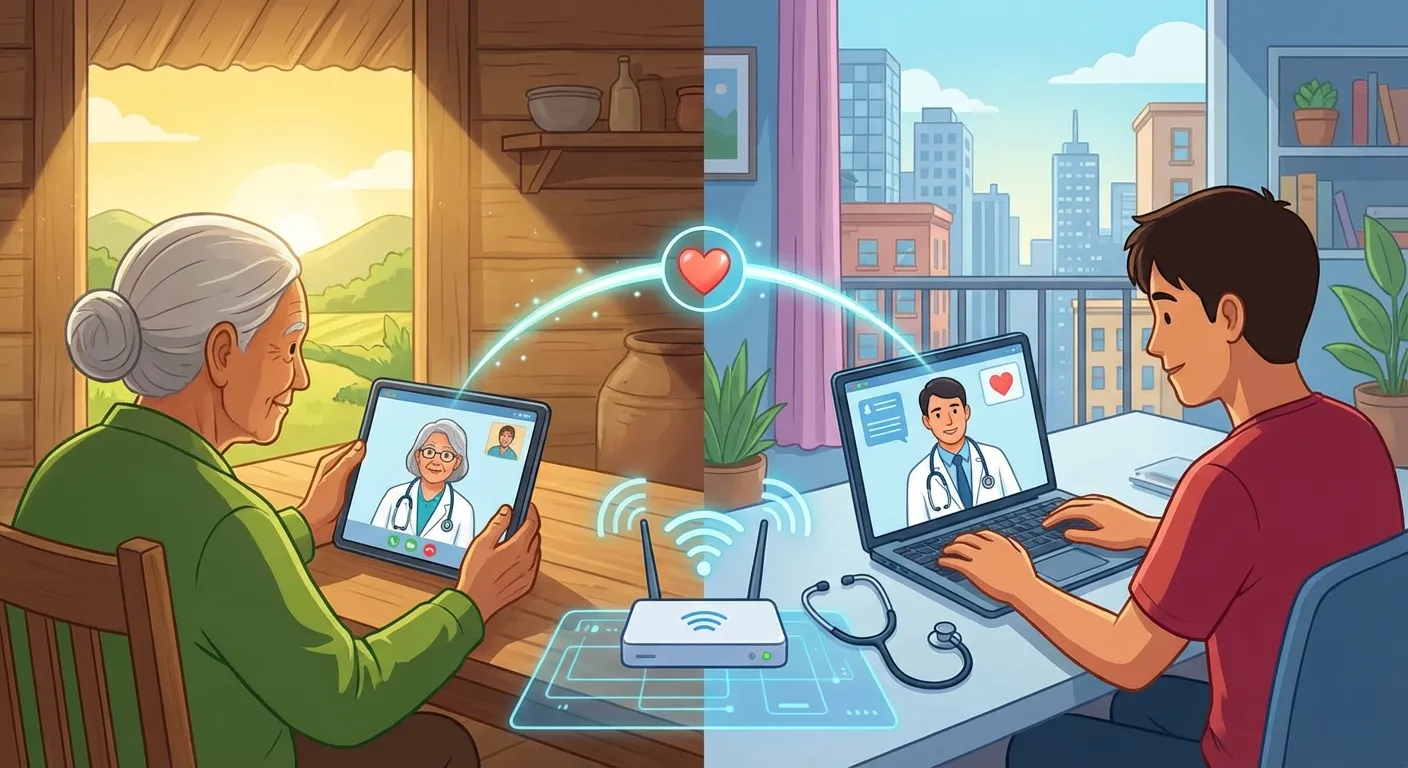
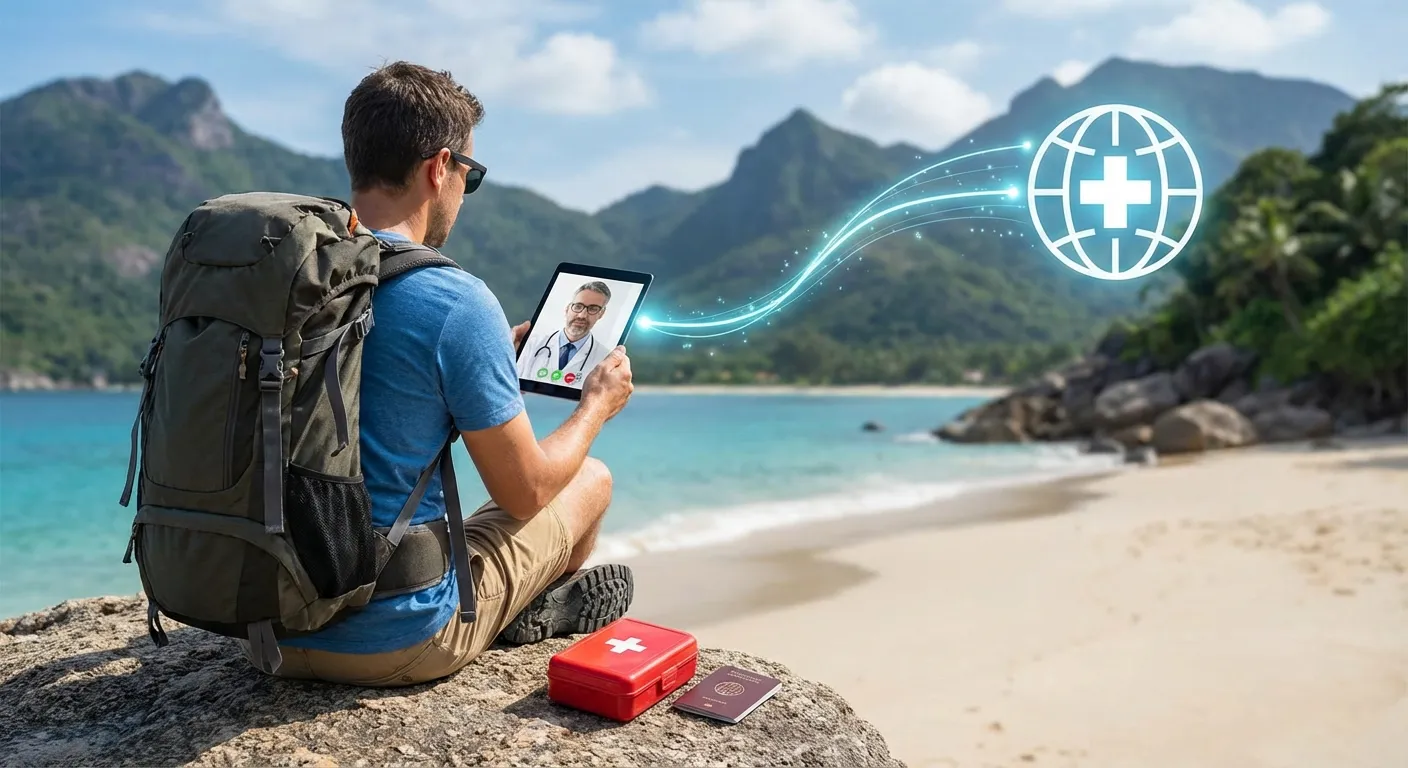
This is where telemedicine excels. A 24/7 virtual clinic allows you to consult with an English-speaking doctor from the comfort of your home or hotel room.
You should use a virtual clinic for conditions such as:
1. Urinary Tract Infections (UTIs)
UTIs are incredibly painful, highly disruptive, but easily treatable. If you experience a burning sensation during urination, frequent urges to urinate, or cloudy urine, you do not need an emergency room. You can get UTI treatment online and have a doctor send a prescription for UTI antibiotics directly to a local Spanish pharmacy.
2. Respiratory Infections and Colds
Symptoms like a persistent cough, sore throat, or nasal congestion are highly contagious but rarely require emergency hospital care. Whether you need bronchitis treatment or suspect a sinus infection, an online doctor can evaluate your symptoms, determine if the infection is viral or bacterial, and prescribe the appropriate antibiotics or symptom-relief medications.
3. Migraines and Severe Headaches
If you are prone to migraines and experience a familiar attack, an emergency room environment—with its bright fluorescent lights and loud noises—is the last place you want to be. Through a virtual consultation, a doctor can provide migraine treatment and prescribe specific triptans or anti-nausea medications. (Note: A sudden, "thunderclap" headache or a headache accompanied by fever and a stiff neck warrants an immediate call to 112).
4. Skin Rashes and Allergic Reactions
For mild, localized allergic reactions, eczema flare-ups, or unidentified itchy spots, you can receive an accurate diagnosis via high-definition video. A doctor can provide rash treatment by visually assessing the skin and prescribing topical corticosteroids or oral antihistamines.
5. Medication Refills and Travel Health
If you lost your luggage, ran out of your daily medication, or need an emergency asthma inhaler refill, an online doctor can bridge the gap and issue a valid EU prescription so you don't miss a dose.
"Telemedicine is the perfect triage tool for expats," notes Dr. Rodriguez. "We can instantly resolve about 80% of the cases we see online. For the other 20%, we can accurately advise the patient whether they need to see a pediatrician in person, visit a local clinic, or head straight to the hospital."
How Pharmacies Work in Spain with Online Prescriptions
If your virtual consultation results in a prescription, navigating a Spanish pharmacy (farmacia) is very straightforward. Spanish pharmacies are marked by a large, illuminated green cross.
When you use a platform like UrgentDoc, the doctor will issue a private electronic prescription (e-prescription) that is legally valid throughout the European Union. You simply take the digital prescription on your smartphone to the pharmacist. They will scan the barcode or review the medical details and dispense your medication. Because medication prices are heavily regulated in Spain, you will find that most antibiotics, inhalers, and standard medications are surprisingly affordable, even without using the public health system.
Comparison: 112 vs. Virtual Clinic
Use this quick reference guide to determine the best course of action for your symptoms.
| Condition / Symptom | Call 112 (Emergency) | Use Virtual Clinic (UrgentDoc) |
|---|---|---|
| Chest pain, pressure, or tightness | 🚨 Yes | ❌ No |
| Suspected UTI / painful urination | ❌ No | 🩺 Yes |
| Difficulty breathing or choking | 🚨 Yes | ❌ No |
| Sinus pressure, cough, sore throat | ❌ No | 🩺 Yes |
| Sudden facial drooping or weakness | 🚨 Yes | ❌ No |
| Need a prescription refill (e.g., inhaler) | ❌ No | 🩺 Yes |
| Severe, uncontrollable bleeding | 🚨 Yes | ❌ No |
| Minor skin rash or eczema flare-up | ❌ No | 🩺 Yes |
| Unexplained loss of consciousness | 🚨 Yes | ❌ No |
| Mild stomach ache or acid reflux | ❌ No | 🩺 Yes |
Frequently Asked Questions (FAQ)
What happens if I call an online doctor but it's actually an emergency?
Patient safety is always the top priority. If an UrgentDoc physician assesses your symptoms via video and determines you are experiencing a medical emergency, they will immediately instruct you to hang up and dial 112. They can also guide you on what to do while waiting for the ambulance to arrive.
Do 112 operators in Spain speak English?
Yes. The 112 emergency service in Spain is fully equipped to handle calls in multiple languages. If the first operator who answers does not speak English, simply say "English please," and they will quickly patch in a translator to assist you.
Can an online doctor prescribe medication in Spain?
Yes. Licensed EU doctors can issue electronic prescriptions during a virtual consultation. These private prescriptions are legally valid and can be fulfilled at any farmacia (pharmacy) in Spain.
Will I be charged for calling 112?
No, calling 112 is completely free of charge. However, depending on your residency status and travel insurance, you may be billed later for the ambulance transport or the hospital treatment. Always ensure you have a valid EHIC/GHIC card or comprehensive travel insurance when visiting Spain.
Can I use telemedicine for my child?
Yes. Virtual clinics are excellent for common childhood ailments like mild fevers, pink eye, or earaches. You can consult with a doctor or a specialized pediatrician online, saving your sick child the stress of sitting in a crowded waiting room.
What if I need to see a specialist in person?
If your condition requires an in-person physical examination, blood tests, or specialized equipment, our online doctors will provide a referral and advise you on the exact type of specialist you need to see locally in Spain.
Need a Doctor Now?
If you are experiencing a non-emergency medical issue in Spain, don't let the language barrier or long waiting room times delay your recovery.
UrgentDoc provides 24/7 access to licensed, English-speaking European doctors. Whether you need a diagnosis, medical advice, or a prescription sent directly to a local Spanish pharmacy, we are here to help you get back to full health.
Book an online consultation today and speak with a doctor within minutes.