The Future of Telemedicine: Transforming Healthcare Access in 2025
How telemedicine is reshaping healthcare in Spain and beyond — EU regulations, AI diagnostics, remote monitoring and what it means for patients in 2025.
Dr. Maria Rodriguez
Medical Professional
🩺 The Future of Telemedicine in Spain: How Digital Healthcare Is Transforming Access
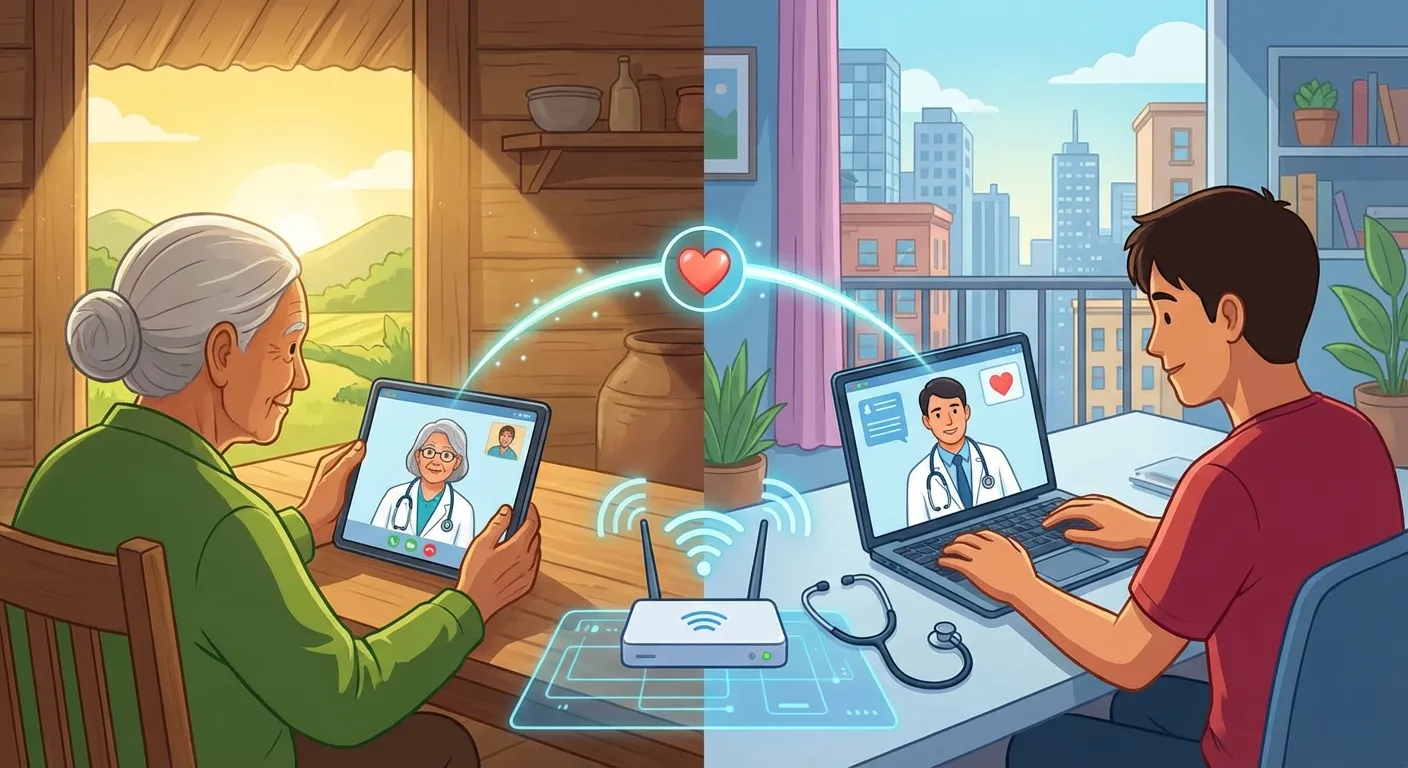
Telemedicine — the delivery of healthcare services through digital communication technologies — is reshaping how patients access medical care across Europe and especially in Spain. According to the World Health Organisation (WHO), telehealth can improve access to health services, particularly for people in remote or underserved areas, and has been recognised as a key tool for strengthening health systems globally.
Spain has positioned itself as a leader in digital health within the European Union. The country's public health system (Sistema Nacional de Salud) has embraced telemedicine rapidly since 2020, and private platforms like UrgentDoc now offer online doctor consultations that connect patients with EU-licensed doctors in minutes — in English and Spanish.
⚠️ Medical disclaimer: This article is for informational purposes only and does not replace professional medical advice, diagnosis or treatment. Always consult a qualified healthcare provider about your individual circumstances.
🔹 What Is Telemedicine?
Telemedicine refers to the use of electronic communications and software to provide clinical services to patients without an in-person visit. This includes video consultations, phone appointments, secure messaging and remote monitoring.
The European Commission's eHealth Digital Service Infrastructure supports cross-border telemedicine across EU member states, enabling patients to receive care regardless of where they are physically located.
In practice, telemedicine covers a wide range of services:
- Real-time video consultations — speaking with a doctor face-to-face via secure video link
- Asynchronous messaging — sending symptoms, photos or questions for a doctor to review
- Remote patient monitoring — using devices to track vitals like blood pressure, heart rate or glucose levels
- E-prescriptions — receiving digital prescriptions that can be collected at any pharmacy
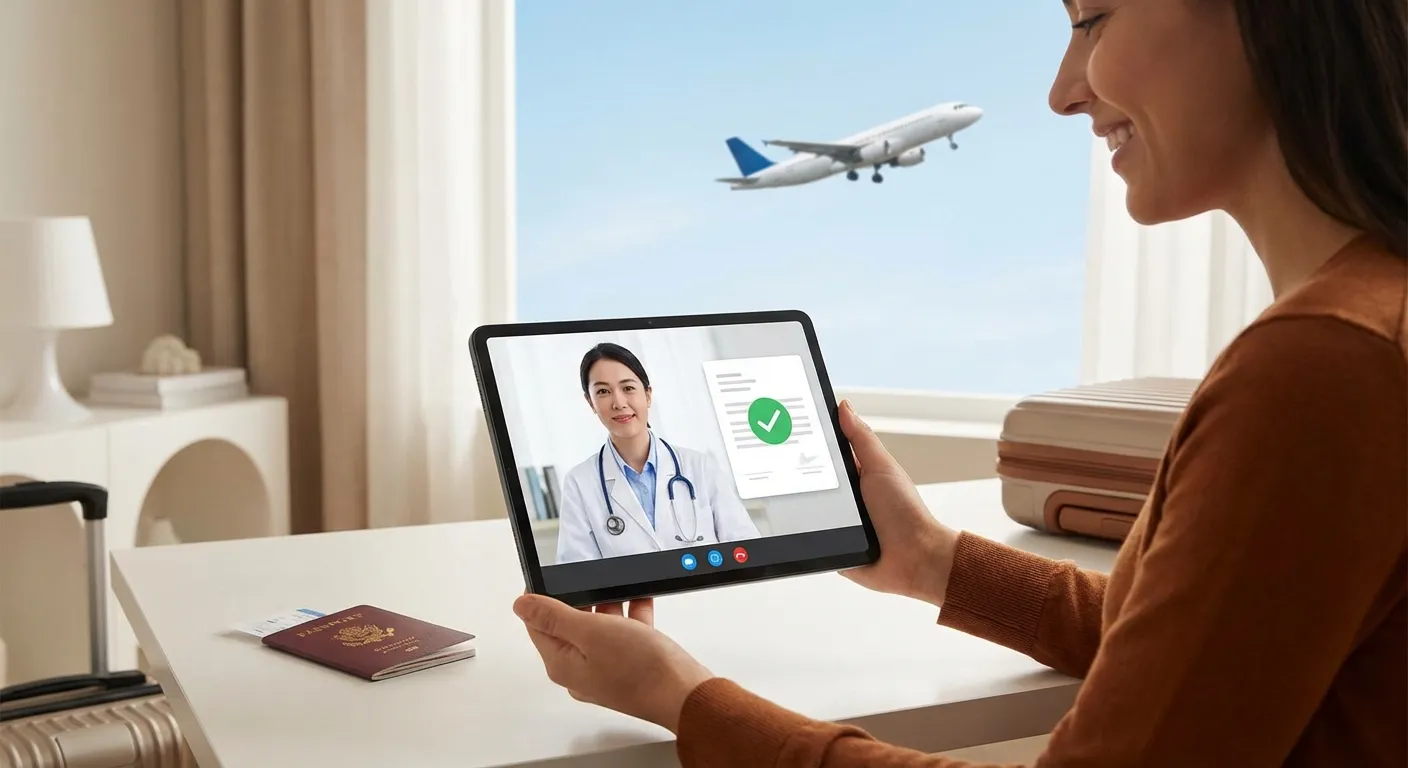
- Digital medical certificates — obtaining sick notes and fit-to-fly certificates without visiting a clinic
🔹 How Telemedicine Has Grown in Spain
Spain's adoption of telemedicine accelerated dramatically during the COVID-19 pandemic. According to a study published in the Journal of Medical Internet Research, teleconsultation use in Spanish primary care increased by over 400% during 2020 compared to pre-pandemic levels.
Today, telemedicine is firmly established in both public and private healthcare:
- Public healthcare (SNS): Many autonomous communities now offer teleconsultation through their regional health services, though wait times can be long and services are primarily in Spanish
- Private telemedicine platforms: Services like UrgentDoc offer same-day or next-hour consultations with EU-licensed doctors, available in English and Spanish — ideal for expats, tourists and residents who prefer faster access
- Pharmacy integration: Spanish e-prescriptions can be sent directly to any pharmacy in the country, eliminating the need for paper prescriptions
Key statistics on telemedicine in Spain
<table style="width: 100%; border-collapse: collapse; margin: 20px 0;"> <thead> <tr style="background-color: #f8f9fa;"> <th style="border: 1px solid #dee2e6; padding: 12px; text-align: left;">Metric</th> <th style="border: 1px solid #dee2e6; padding: 12px; text-align: left;">Data</th> </tr> </thead> <tbody> <tr> <td style="border: 1px solid #dee2e6; padding: 12px;">Teleconsultation growth (2020)</td> <td style="border: 1px solid #dee2e6; padding: 12px;">Over 400% increase in primary care</td> </tr> <tr style="background-color: #f8f9fa;"> <td style="border: 1px solid #dee2e6; padding: 12px;">EU cross-border e-prescriptions</td> <td style="border: 1px solid #dee2e6; padding: 12px;">Supported across 25+ member states</td> </tr> <tr> <td style="border: 1px solid #dee2e6; padding: 12px;">Patient satisfaction</td> <td style="border: 1px solid #dee2e6; padding: 12px;">85%+ report positive telemedicine experience</td> </tr> <tr style="background-color: #f8f9fa;"> <td style="border: 1px solid #dee2e6; padding: 12px;">Most common telemedicine uses</td> <td style="border: 1px solid #dee2e6; padding: 12px;">Prescription renewals, follow-ups, minor acute conditions</td> </tr> </tbody> </table>🔹 What Conditions Can Be Treated via Telemedicine?
Telemedicine is suitable for a wide range of conditions, especially those that do not require a physical examination. Common conditions treated online include:
- Respiratory infections: Sore throats, colds, flu symptoms, sinusitis and bronchitis
- Urinary conditions: Urinary tract infections (UTIs), which can be diagnosed based on symptoms and treated with antibiotic prescriptions
- Skin conditions: Acne, eczema, rashes and cold sores — often diagnosable via photo or video
- Mental health: Anxiety, depression and insomnia
- Sexual health: Erectile dysfunction, contraception and sexual health consultations
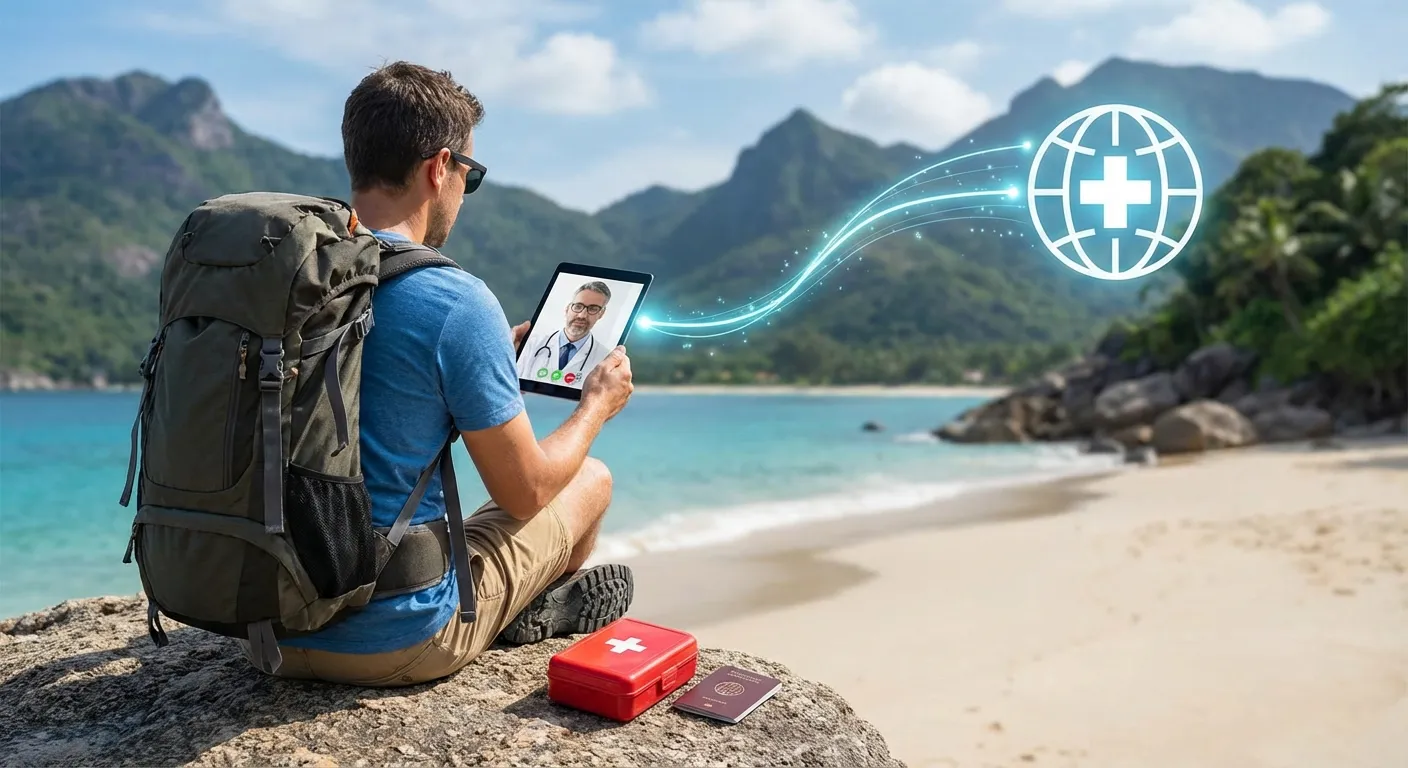
- Travel health: Traveller's diarrhoea, jet lag and fit-to-fly assessments
- Chronic condition management: Asthma, diabetes and cholesterol
- Prescription renewals: Repeat prescriptions for ongoing medications
For a detailed guide on how online healthcare works in Spain, read our complete telehealth guide for Spain.
🔹 Benefits of Telemedicine for Patients in Spain
Convenience and speed
No travel, no waiting rooms, no taking time off work. With platforms like UrgentDoc, you can book a consultation and speak to a doctor within hours — or sometimes minutes.
Multilingual access
One of the biggest barriers for expats and tourists in Spain is language. Public healthcare is predominantly in Spanish. Telemedicine platforms can offer consultations in English — critical for the estimated 800,000+ British and other English-speaking residents in Spain.
E-prescriptions and digital certificates
After your consultation, your doctor can send an e-prescription directly to any Spanish pharmacy or issue a digital medical certificate — no need to collect paper documents.
Continuity of care
Telemedicine makes follow-up appointments easy. Whether you're managing a chronic condition or recovering from an acute illness, you can check in with your doctor without the logistical burden of an in-person visit.
Cost transparency
Private telemedicine platforms typically offer transparent, fixed pricing — unlike the variable costs of private clinic visits. UrgentDoc consultations start from €20.
🔹 The Technology Behind Modern Telemedicine
Modern telemedicine platforms rely on several key technologies that work together to deliver secure, effective healthcare:
- End-to-end encrypted video: Ensures doctor-patient consultations remain private and comply with EU data protection regulations (GDPR)
- Electronic health records: Allow doctors to review your medical history, previous consultations and prescriptions in one place
- AI-assisted triage: Some platforms use artificial intelligence to help assess symptoms before the consultation, ensuring the doctor has relevant information from the start
- Digital signature and e-prescription systems: Enable legally valid prescriptions and certificates to be issued electronically
- Remote monitoring integration: Wearable devices and connected health monitors can share real-time data with your doctor
🔹 Limitations of Telemedicine: When You Need In-Person Care
Telemedicine is powerful, but it has limits. You should always seek in-person medical attention if:
- You have chest pain, difficulty breathing or signs of a stroke — call 112 (Spain's emergency number)
- You have a suspected fracture or severe injury
- You need a physical examination that cannot be done via video (e.g., abdominal palpation, ear examination)
- You need blood tests, imaging or surgical procedures
- You have symptoms of a medical emergency — high fever with confusion, severe allergic reaction, uncontrolled bleeding
A good telemedicine doctor will always refer you for in-person care when it is necessary. At UrgentDoc, our doctors advise you honestly when an issue requires face-to-face assessment.
🔹 What's Next for Telemedicine in Spain
Several trends are shaping the next generation of digital healthcare:
- AI-powered diagnostics: Machine learning tools are increasingly assisting doctors in analysing symptoms, lab results and images — speeding up diagnosis without replacing clinical judgement
- Wearable health monitoring: Smartwatches and connected devices can now detect arrhythmias, track blood oxygen levels and monitor sleep patterns, sending data directly to healthcare providers
- Cross-border care within the EU: The European Health Data Space initiative aims to make medical records and prescriptions portable across all member states
- Integration of mental health services: Digital platforms are expanding to offer structured mental health support, including cognitive behavioural therapy (CBT) and counselling
- Personalised medicine: Combining patient data with genetic information is opening new avenues for tailored treatment plans delivered remotely
❓ Frequently Asked Questions
Is telemedicine legal in Spain?
Yes. Telemedicine is fully legal in Spain and regulated under Spanish and EU healthcare laws. Doctors must be licensed to practise, and platforms must comply with GDPR and medical data protection standards.
Can I get a prescription through a telemedicine consultation?
Yes. EU-licensed doctors can issue e-prescriptions during a video consultation. These prescriptions are valid at any Spanish pharmacy. See our prescription services for more details.
Is telemedicine covered by Spanish insurance?
Many private health insurance policies in Spain now cover telemedicine consultations. Check with your specific insurer. Public healthcare also offers teleconsultation through regional health services.
What do I need for a telemedicine appointment?
You need a device with a camera and microphone (smartphone, tablet or computer), a stable internet connection, and your ID or health card. It's helpful to have a list of your current medications ready.
Can tourists use telemedicine in Spain?
Absolutely. Platforms like UrgentDoc serve tourists, expats and residents alike. No Spanish health card is needed — just a valid ID. Book a consultation from anywhere in Spain.
When should I NOT use telemedicine?
Seek in-person or emergency care (call 112) for chest pain, difficulty breathing, severe bleeding, suspected stroke, severe allergic reactions, or any condition that requires immediate physical intervention.
🔹 Access Telemedicine in Spain Today
Whether you're an expat navigating the Spanish healthcare system, a tourist who needs medical advice, or a resident looking for faster access to a doctor, telemedicine offers a convenient, secure and effective alternative to traditional clinic visits.
👉 Book an online consultation with UrgentDoc — speak to an EU-licensed doctor in English or Spanish, get e-prescriptions sent to your pharmacy, and receive medical certificates digitally. Available from anywhere in Spain.