How to Get a Prescription in Spain: Tourist & Expat Guide 2026
Need medication in Spain? Learn how to get a prescription as a tourist or expat, OTC rules for ibuprofen and antibiotics, and how to use online doctors.
Dr. Daniel Cuenca Leal
Colegiado nº 284627651 · Ilustre Colegio Oficial de Médicos de Madrid

How to Get a Prescription in Spain: The 2026 Guide for Tourists and Expats
Getting sick in a foreign country is stressful, and navigating a new healthcare system can add to the confusion. If you are wondering how to get a prescription in Spain—whether you need antibiotics for a sudden illness, a refill for a chronic condition, or specific treatments like UTI medication—the process is straightforward once you understand the rules.
In Spain, pharmacy regulations are strictly enforced. Many medications that might be easily accessible in your home country require a doctor's authorization here, in accordance with the Spanish Ministry of Health (Ministerio de Sanidad) guidelines.
This guide provides a step-by-step walkthrough on how tourists, expats, and locals can obtain a valid medical prescription (receta médica) in Spain, including the differences between public and private systems, what you can buy over the counter, and how to use telemedicine to consult a doctor without leaving your hotel.
The Short Answer: To get a prescription in Spain as a tourist or expat, you must consult a doctor licensed in the EU. Spain's rule for prescriptions issued in other EU countries does not cover UK or US prescriptions, so you need a Spanish prescription. Consult an English-speaking doctor online via VesiaCare (UrgentDoc). If the doctor decides a medicine is appropriate, you receive a private electronic prescription as a PDF by email after the consultation. It is valid throughout Spain, and the pharmacist checks it before dispensing.
Public vs. Private Prescriptions in Spain
Spain operates a dual healthcare system. Understanding the difference is crucial for knowing how to access your medication.
1. Public Prescriptions (SNS)
If you are a Spanish resident paying into the social security system, or an EU citizen using a European Health Insurance Card (EHIC) for emergency care at a public clinic (Centro de Salud), any prescription issued is a public prescription.
- Format: These are usually loaded directly onto a patient's health card (Tarjeta Sanitaria) or printed on official green or red paper.
- Cost: Public-system patients pay a share of the retail price set by law according to status and income, such as 40% to 60% for working-age insured people and 10% for pensioners with an income below €100,000, while some groups pay nothing.
- Access: Tourists from outside the EU (e.g., US, Canada, Australia) cannot access public prescriptions unless they are admitted to a public hospital for a severe emergency.
2. Private Prescriptions (Receta Privada)
If you visit a private clinic, use a telemedicine platform, or pay out-of-pocket for a doctor's visit, any prescription issued is a private prescription.
- Format: Private prescriptions must follow a strict format mandated by the Spanish Medical Council (Organización Médica Colegial). They include a unique verification barcode that the pharmacist scans.
- Cost: You pay 100% of the medication cost. However, medicine prices in Spain are regulated.
- Validity: A private prescription in Spain is typically valid for 10 days from the date of issue. If you wait longer, the pharmacist will legally reject it.
Over-the-Counter (OTC) vs. Prescription Medications
Spain's Law of Guarantees and Rational Use of Medicines is strictly applied at pharmacies. You cannot simply ask a pharmacist for strong medication without a doctor's note.
| Medication Type | Over-the-Counter (OTC) | Prescription Required |
|---|---|---|
| Painkillers | Ibuprofen 400mg, Paracetamol 500mg/650mg, Paracetamol 1g (small packs of 10 tablets or sachets) | Ibuprofen 600mg, Paracetamol 1g (larger packs), Codeine |
| Antibiotics | None | All antibiotics (Amoxicillin, Azithromycin, etc.) |
| Contraception | Emergency contraception (Morning-after pill) | Daily birth control pills, patches, rings |
| Allergy / Cold | Basic antihistamines, throat lozenges, decongestants | Strong antihistamines, Asthma inhalers |
What Requires a Prescription in Spain?
- Antibiotics: Spain strictly prohibits the sale of any antibiotics (like Amoxicillin or Azithromycin) without a prescription to fight antimicrobial resistance, following European Medicines Agency (EMA) directives. If you have a bacterial infection, you must see a doctor.
- High-Dose Painkillers: Ibuprofen 600mg requires a prescription, and Paracetamol 1g needs one except in small packs of 10 tablets or sachets.
- Specialized Treatments: Medications for specific conditions, such as weight loss medication (e.g., GLP-1 agonists), erectile dysfunction medication (e.g., Sildenafil), and daily birth control pills. Menopause HRT in Spain is prescription-only and cannot be bought over the counter, but Spanish law lets any licensed doctor prescribe it; see our page on menopause HRT medication online.
- Chronic Medications: Blood pressure pills, cholesterol medication, and asthma inhalers.
What is Available Over the Counter?
- Low-Dose Painkillers: Ibuprofen 400mg and Paracetamol 500mg/650mg.
- Cold and Flu Remedies: Decongestants, cough syrups, and throat lozenges.
- Mild Antihistamines: Basic allergy medications.
- Emergency Contraception: The "morning-after pill" is available without a prescription.
Step-by-Step: How to Get a Prescription in Spain
If you need a prescription-only medication, follow these steps to consult a licensed doctor, who will decide whether a prescription is clinically appropriate.
Step 1: Choose Your Medical Provider
As a tourist or expat, you have three main options:
- Go to a Public Clinic (Centro de Salud): This is an option if you are a resident paying into Spain's social security system, or an EU visitor with an EHIC needing care that can't wait until you get home. Expect long wait times, and English-speaking doctors are not guaranteed.
- Visit a Private Clinic: You can search for an English-speaking private doctor in your area (e.g., how to see a doctor in Barcelona). This requires travel, waiting rooms, and a consultation fee.
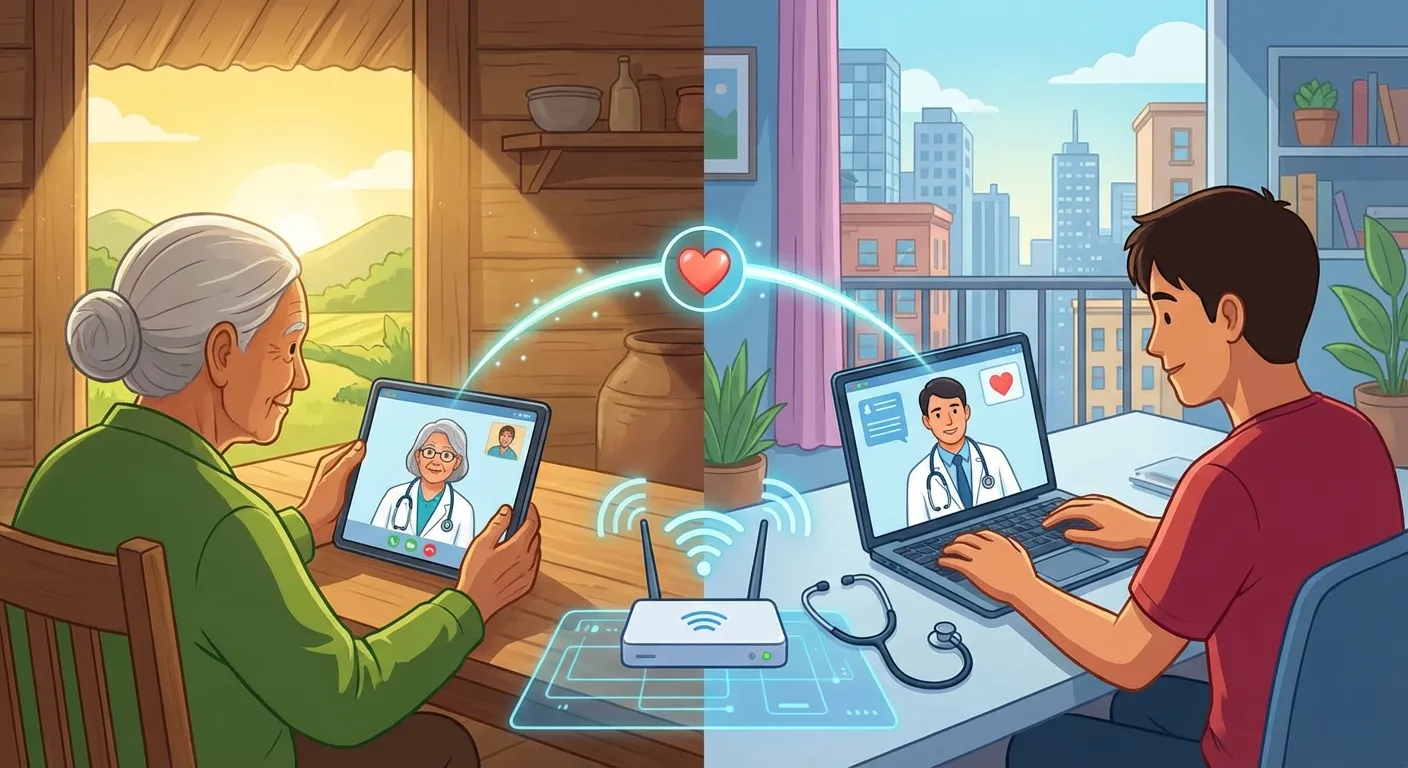
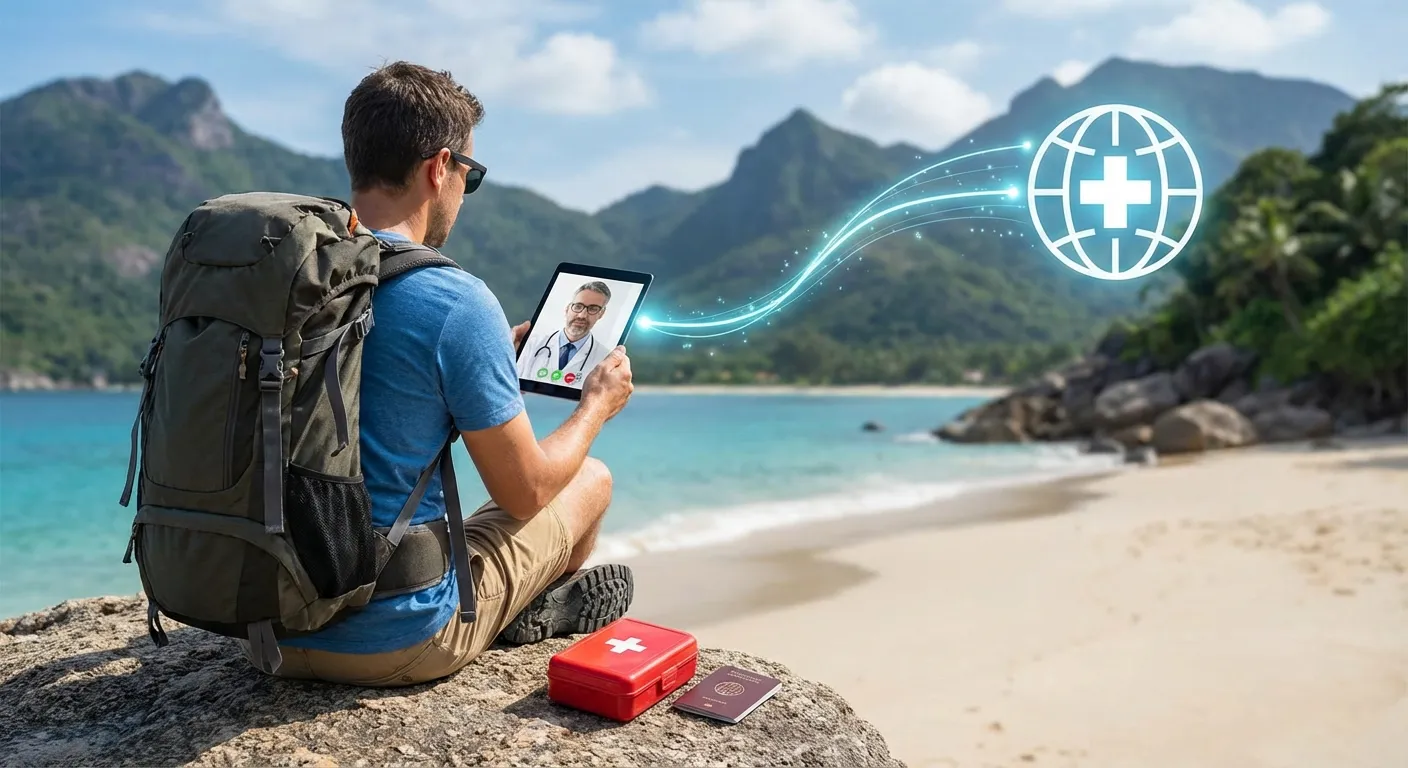
- Use Telemedicine (Recommended): The fastest and most convenient method. You can consult a licensed doctor online from your phone, and if the doctor decides a medicine is appropriate, the private electronic prescription is emailed to you as a PDF after the consultation.
Step 2: Have Your Consultation
During your consultation, clearly explain your symptoms. If you are seeking a refill for a medication from home, provide the doctor with the generic chemical name (International Non-proprietary Name or INN, as defined by the World Health Organization), as brand names vary widely between countries (e.g., Albuterol in the US is Salbutamol in Spain).
Step 3: Receive Your e-Prescription
If you use a platform like VesiaCare and the doctor decides a prescription is clinically appropriate, they issue a private electronic prescription through a private e-prescription platform such as REMPe. The e-prescription platform emails the prescription to you as a PDF after the consultation.
Step 4: Go to the Pharmacy (Farmacia)
Look for the illuminated green cross. Pharmacies in Spain are abundant.
- Hand your phone to the pharmacist so they can scan the barcode on your digital prescription.
- Pay for the medication out-of-pocket.
- If you need a receipt for your travel insurance, ask for a "factura" (invoice).
Consult an English-speaking doctor online
Skip the waiting room. Connect with an EU-licensed, English-speaking doctor via VesiaCare (UrgentDoc). If the doctor decides a medicine is appropriate, you receive a private electronic prescription as a PDF by email after the consultation. It is valid at pharmacies throughout Spain, and the pharmacist checks it before dispensing.
Using Telemedicine: The VesiaCare Advantage
For tourists and expats, navigating foreign clinics can be daunting. Telemedicine has revolutionized how international patients access healthcare in Spain.
Platforms like VesiaCare (UrgentDoc) offer a seamless solution:
- Speed: You can book an appointment and speak to a doctor within minutes, 365 days a year.
- Language: All doctors speak fluent English, eliminating the risk of medical miscommunication.
- Convenience: There is no need to leave your hotel room or navigate public transport while feeling unwell.
- Validity: The private electronic prescriptions our doctors issue, through a private e-prescription platform such as REMPe, are valid at pharmacies throughout Spain, and the pharmacist checks each prescription before dispensing.
Whether you need a quick consultation for a yeast infection, a refill for your blood pressure medication, or advice on traveller's diarrhea, an online doctor can provide the care and documentation you need.
Fulfilling Your Prescription at a Spanish Pharmacy
Spanish pharmacies (farmacias) are highly regulated and staffed by highly trained university graduates. They are the only places legally allowed to sell medication—you will not find ibuprofen or paracetamol in supermarkets or convenience stores in Spain.
Finding an Open Pharmacy:
- Standard hours are typically 9:30 AM to 2:00 PM and 5:00 PM to 8:30 PM, Monday through Friday, plus Saturday mornings.
- Farmacia de Guardia: Each autonomous community sets the rules for on-call (guardia) pharmacies, so that a pharmacy is available outside normal hours. If your local pharmacy is closed, look for a list taped to the door or window; it will direct you to the nearest open Farmacia de Guardia.
What to Bring:
- Your digital or paper prescription.
- Your passport or ID (pharmacists sometimes ask for ID to verify the name on private prescriptions, especially for controlled substances).
- A method of payment (credit cards are universally accepted).
Frequently Asked Questions (FAQ)
Can I use my US or UK prescription in Spain?
No. Spain's rule for dispensing prescriptions issued in other EU countries does not cover prescriptions from the US, the UK, Canada, or Australia. So you need a Spanish prescription from a doctor registered with a Spanish medical college. A prescription from another EU country can be dispensed if the medicine is authorised in Spain, though the pharmacist may refuse if in reasonable doubt.
How much does medication cost in Spain?
Medication in Spain is price-regulated and generally very affordable. For example, a course of standard antibiotics or a pack of asthma inhalers often costs between €3 and €15 out-of-pocket with a private prescription.
Can a pharmacist refuse my prescription?
Yes. The pharmacist must not dispense when there are reasonable doubts about a prescription's authenticity or validity, for example if it seems to have been altered, unless its legitimacy can be verified. A paper prescription cannot be dispensed after its 10-calendar-day window, counted from the prescription date or from the dispensing date the doctor writes on it. Furthermore, UK and US prescriptions are not covered by Spain's rule for prescriptions from other EU countries.
Do I need a prescription for Ibuprofen in Spain?
It depends on the dosage. You can buy Ibuprofen 400mg over the counter without a prescription. However, high-dose Ibuprofen (600mg) legally requires a doctor's prescription.
Is an online PDF prescription legally valid?
Yes, provided it is issued through a certified system. Our doctors issue private electronic prescriptions through a private e-prescription platform such as REMPe, emailed to you as a PDF after the consultation. A Spanish prescription is valid throughout Spain, and the pharmacist checks it before dispensing and will not dispense if there are reasonable doubts about its authenticity or validity.
Need medication in Spain without the waiting room? Book an online consultation with a VesiaCare (UrgentDoc) doctor today; if the doctor decides a medicine is appropriate, you receive a private electronic prescription as a PDF by email after the consultation, valid at pharmacies throughout Spain, and the pharmacist checks it before dispensing.
Disclaimer: This article is for informational purposes only and does not replace professional medical advice. Pharmacy regulations and medication availability are subject to change. Always consult with a licensed healthcare professional for medical treatment.